Table of Contents
1. Introduction to Non-Contact Ultrasonic Flow Measurement
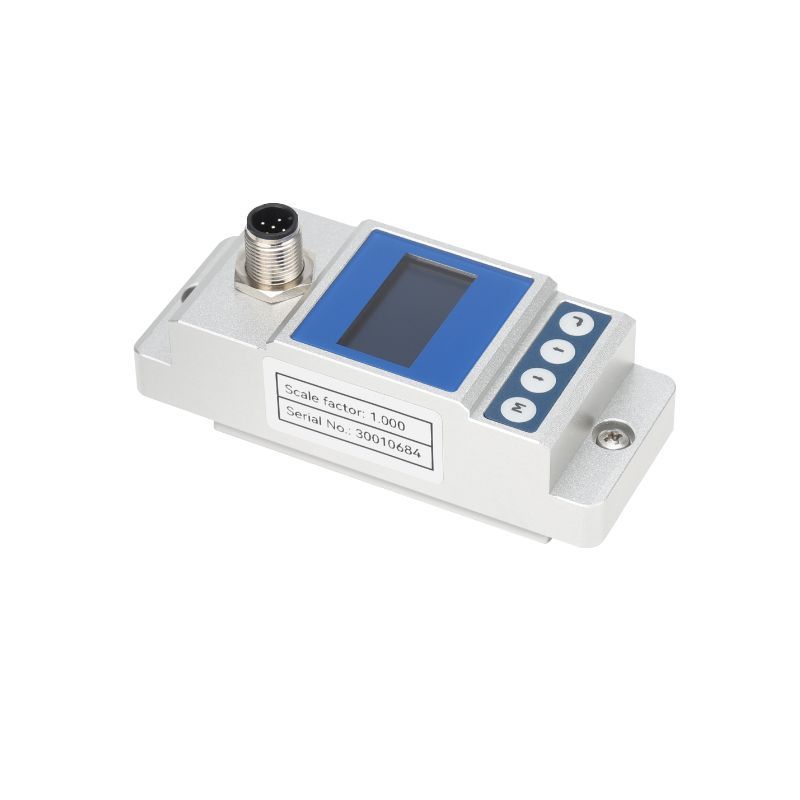
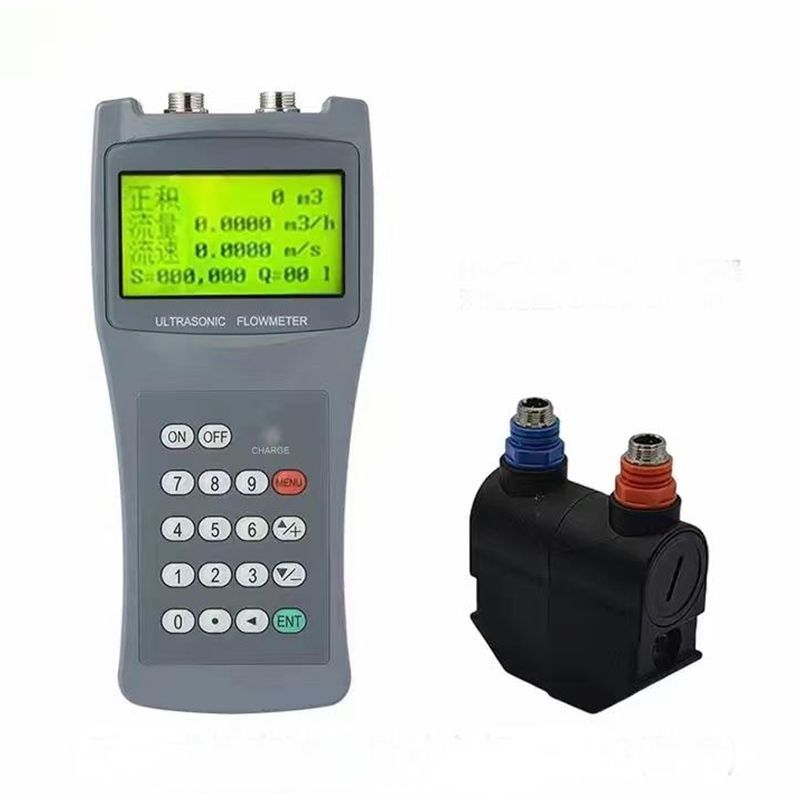
Non-contact ultrasonic flow measurement is revolutionizing the way industries monitor flow rates. Unlike traditional flow meters, these devices utilize ultrasonic waves to measure fluid velocity without physical contact. This innovative technology minimizes wear and tear and significantly lowers maintenance costs. By understanding the principles behind non-contact ultrasonic flow measurement, businesses can enhance their operational efficiency while ensuring reliable data accuracy.
2. Advantages of Non-Contact Ultrasonic Flow Measurement
The benefits of adopting non-contact ultrasonic flow measurement include:
- Low Maintenance Requirements
- Enhanced Accuracy
- Non-Intrusive Measurement
- Remote Monitoring Capabilities
Low Maintenance Requirements
This technology reduces the need for regular maintenance, saving time and costs.
Enhanced Accuracy
Utilizing ultrasonic technology ensures consistent and precise measurements.
Non-Intrusive Measurement
Non-contact methods prevent damage to pipelines, extending their lifecycle.
Remote Monitoring Capabilities
Operators can monitor systems from a distance, providing real-time insights.
3. Reducing Maintenance Costs
Reducing maintenance costs with non-contact ultrasonic flow measurement is a key concern for many industries. Here are several ways this technology achieves cost savings:
- Minimized Wear and Tear
- Reduced Manual Inspection
- Energy Efficiency
Minimized Wear and Tear
Since non-contact ultrasonic flow meters do not touch the fluid, they experience less mechanical stress, which leads to a longer lifespan and lower replacement costs.
Reduced Manual Inspection
With automatic monitoring and data logging, the frequency of manual inspections is greatly diminished, thus lowering labor costs significantly over time.
Energy Efficiency
Improved accuracy and real-time data allow for better energy management, which can reduce operational costs.
| Cost Factor | Traditional Flow Meters | Non-Contact Ultrasonic Meters |
|---|---|---|
| Initial Setup Cost | Higher | Moderate |
| Maintenance Frequency | Monthly | Annual |
| Replacement Cost | High | Low |
4. Case Studies
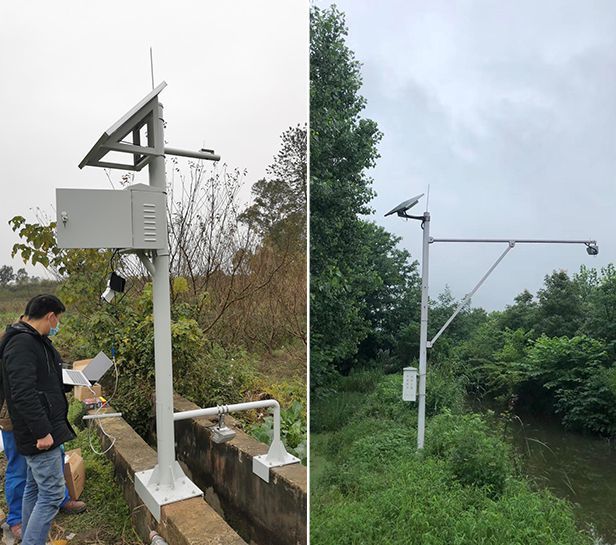
Several industries have successfully implemented non-contact ultrasonic flow measurement systems, yielding significant maintenance cost reductions. For instance, a study from a manufacturing plant using traditional meters reported a 25% reduction in maintenance costs after switching to ultrasonic technology. Additionally, a water treatment facility experienced a 30% decline in operational downtime.
Example Overview
Here is a visual flow chart illustrating how ultrasonic flow measurement can streamline maintenance processes:

5. Conclusion
Adopting non-contact ultrasonic flow measurement presents a viable solution for businesses aiming to reduce maintenance costs while improving operational efficiency. By eliminating mechanical wear, reducing the need for manual inspections, and optimizing energy consumption, companies can reap significant financial benefits. As industries continue to evolve towards more innovative solutions, brands like gallopsensor are at the forefront of providing reliable ultrasonic flow measurement technologies.