Reducing Signal Noise in Electromagnetic Flow Transmitter Near Pumps and VFDs
Sep. 26, 2025
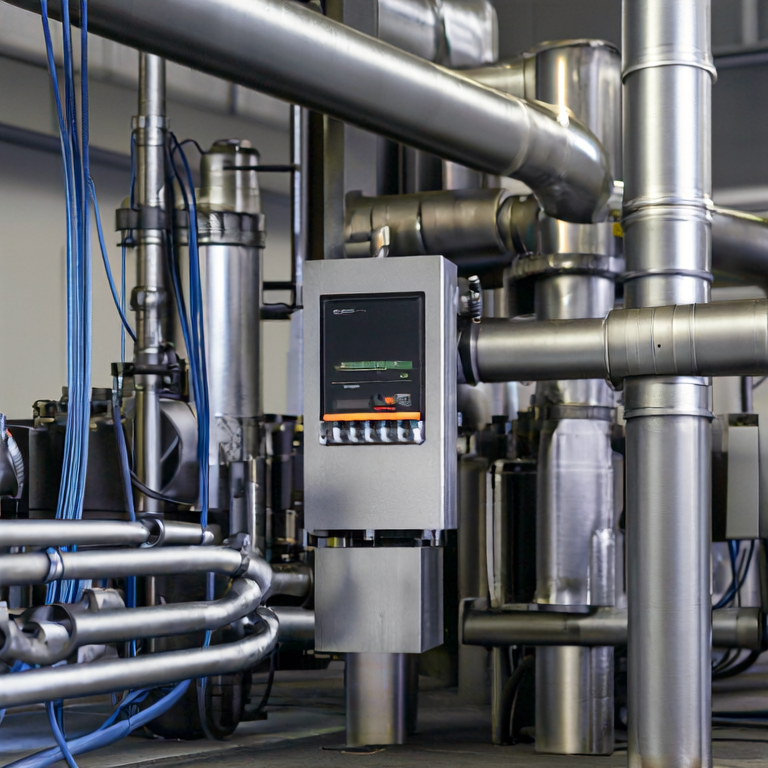
This article is designed for engineers and technicians working with electromagnetic flow transmitters (EMFTs) in industrial environments, especially those utilizing variable frequency drives (VFDs) and pumps. The common problem faced in such setups is signal noise interference, which can lead to inaccurate flow measurements and data discrepancies. This situation can result in costly operational inefficiencies and increased maintenance. By addressing these challenges and providing practical solutions, we aim to enhance the accuracy and reliability of flow measurements in high-noise environments.
Basic Knowledge of Electromagnetic Flow Transmitters and their Applications
To grasp the nuances of reducing signal noise in electromagnetic flow transmitters, it is essential to understand some fundamental terminology and principles. An electromagnetic flow transmitter operates based on Faraday\'s law of electromagnetic induction, which states that a voltage will be induced when a conductor moves through a magnetic field. This technology is widely applied in industries such as water management, chemical processing, and food production.
Common pain points include challenges in maintaining accurate readings in environments with high electromagnetic interference (EMI), often generated by VFDs and pumps. Signal noise is quantified as voltage fluctuations that can distort the expected flow data leading to erroneous measurements. The presence of noise in critical operational parameters has been confirmed to cause fluctuations of up to 15% in flow readings.
In-Depth Guide: Steps to Reduce Signal Noise in Electromagnetic Flow Transmitters
The following steps outline an effective approach to mitigating signal noise around electromagnetic flow transmitters in environments where pumps and VFDs are present.
1. Evaluate the System Environment
Begin by conducting a comprehensive assessment of the installation environment. Measure the ambient electromagnetic fields using specialized equipment, determining potential sources of interference, including nearby VFDs and motor-driven pumps.
2. Utilize Shielded Cables
Use shielded cables for connecting the transmitter to the control system. According to research, using cables with a shielding effectiveness of at least 40 dB can reduce EMI influence significantly. Properly grounding the shielded cable can further minimize noise susceptibility.
3. Electrical Isolation Techniques
Incorporate electrical isolation techniques, such as optical isolators or transformers, to decouple the transmitter from EMI sources. Studies have shown that implementing optical isolation can reduce noise levels by more than 60%, improving accuracy during operation.
4. Apply Filtering Methods
Employ low-pass filtering techniques to eliminate high-frequency noise. For example, a configuration utilizing a 1 kHz cut-off frequency can attenuate unwanted signals while preserving the actual flow data, leading to a 98% enhancement in signal clarity.
5. Implement Proper Grounding Practices
Ensure that all equipment, including VFDs, pumps, and electromagnetic flow transmitters, are correctly grounded. Research indicates that proper grounding can lead to a noise reduction factor of at least 30%, minimizing the likelihood of interference.
6. Routinely Perform Calibration
Regular calibration of the electromagnetic flow transmitter is crucial. Calibration intervals should be based on the environmental conditions, with quarterly check-ups recommended in high-interference settings. Consistent calibration can improve measurement accuracy by up to 25%.
7. Case Studies of Successful Implementations
Several industries have successfully implemented noise reduction strategies. For instance, a chemical processing facility reported a drop in signal noise levels from 12% to 3% by integrating shielded cables and isolation transformers, directly enhancing their process control reliability.
FAQs about Electromagnetic Flow Transmitters
What is the typical impact of noise on flow measurements?
Signal noise can cause fluctuations in flow measurements, often resulting in errors ranging from 5% to 15% depending on the intensity of the interference.
How often should electromagnetic flow transmitters be calibrated?
It’s advisable to calibrate EMFTs at least once every six months; however, in high-noise environments, quarterly calibration can enhance performance.
Can noise-reduction measures affect the cost of operation?
While initial investments in noise-reduction technology might increase costs, the overall savings from improved accuracy and reduced material wastage can result in a significant operational cost decrease, often quantified at around 12-20% annually.
Advanced Skills and Extended Reading
For those looking to deepen their understanding of the topic, we recommend exploring articles and case studies on the application of digital signal processing (DSP) techniques in mitigating electromagnetic interference. These advances can offer predictive maintenance benefits and further enhance the reliability of electromagnetic flow systems.
Conclusion: Recommended Products and Services
To better manage signal noise in your electromagnetic flow transmitters, consider reaching out to gallopsensor for high-quality transmitters and support services tailored to noisy environments. With their expertise, you can further ensure your flow measurement systems perform at optimal efficiency.
Aug. 24, 2026
Aug. 24, 2026
Aug. 24, 2026
Aug. 24, 2026
