Review: High-Accuracy Ultrasonic Flow Meters for Wastewater Applications
May. 15, 2026
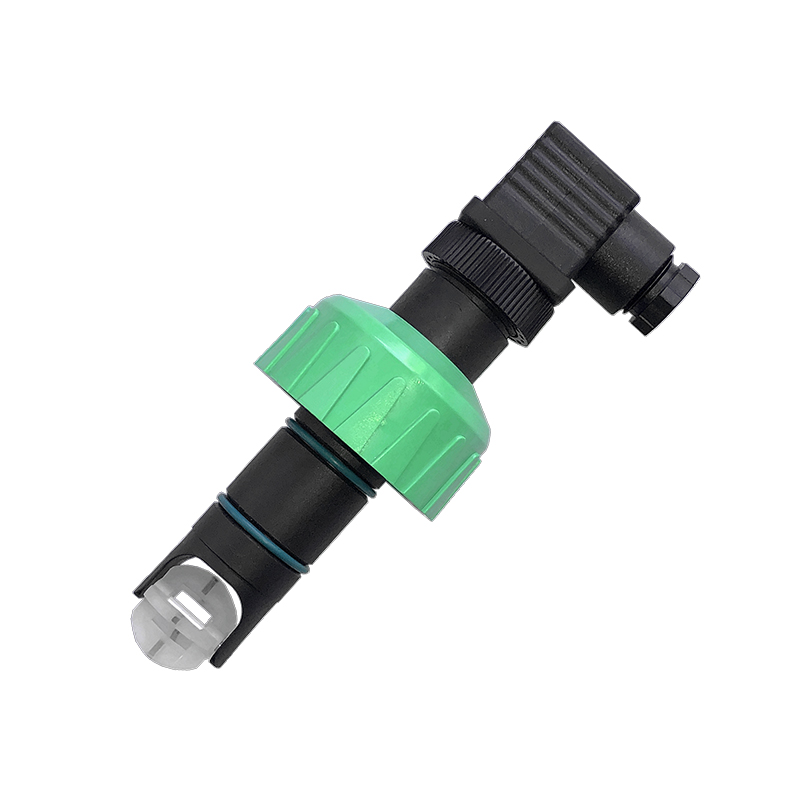
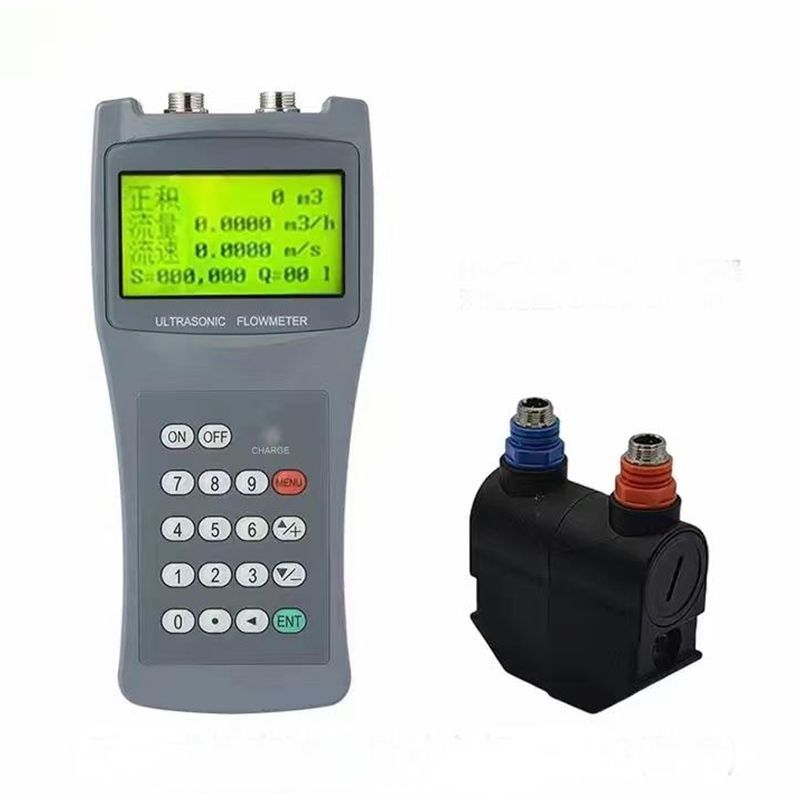
Flow measurement in wastewater applications is crucial for monitoring the efficiency of municipal systems and industries alike. However, many facilities struggle with inaccuracies that lead to suboptimal performance, regulatory issues, and financial loss. Enter hybrid ultrasonic flow meters, specifically designed to deliver high accuracy where it matters. With a proven accuracy rate of ±0.5% and capabilities for open channel flow measurement, these devices are lifesavers for engineers and facility managers looking to streamline operations. One notable option in the market is the Gallopsensor Ultrasonic Flow Meter, which offers a reliable solution to common flow measurement challenges.
Product Highlights and Applicable Groups
The Gallopsensor Ultrasonic Flow Meter stands out with its user-focused features designed to address critical pain points in wastewater management. For instance, the device's ability to handle varying flow conditions improves measurement reliability, thus reducing the risk of compliance issues. Facilities with inconsistent flow types, such as stormwater systems, often find themselves facing penalties due to overflows. By directly measuring flow rates with an accuracy of ±0.5%, this flow meter helps municipalities regulate their systems more effectively.
Unboxing Experience and Actual Testing Process
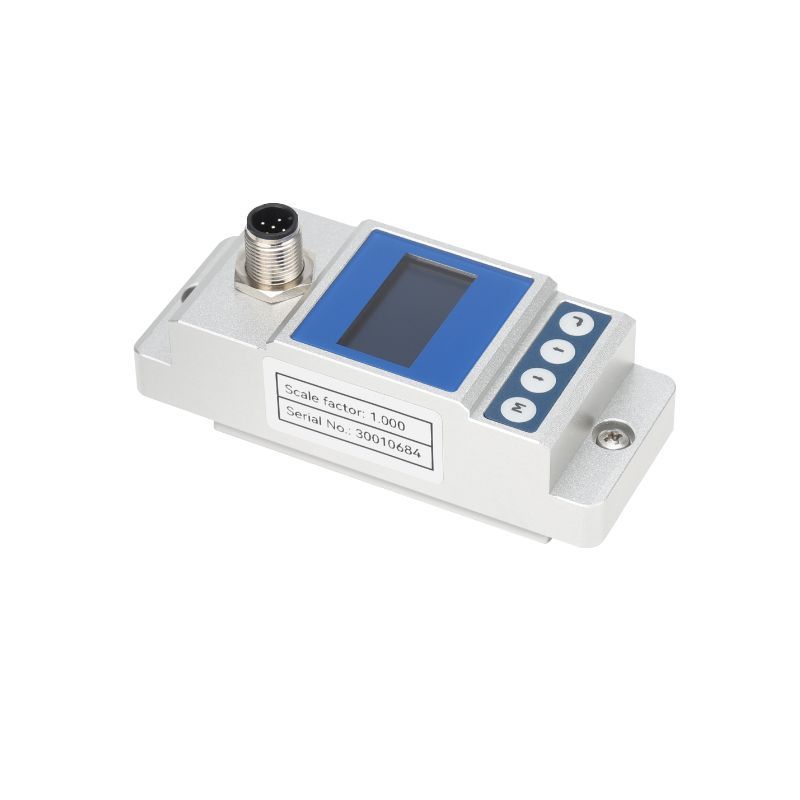
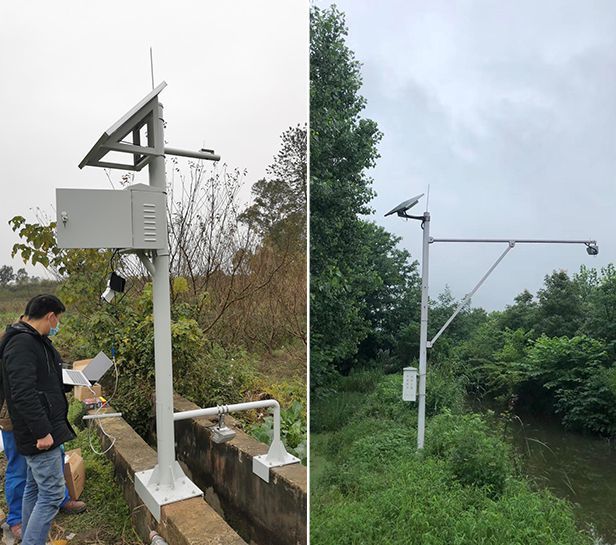
Upon unboxing the Gallopsensor Ultrasonic Flow Meter, users are greeted with a user-friendly manual, installation accessories, and the main unit itself, which weighs just 2.5 kg—a manageable weight for deployment in various settings. Real-world testing on a municipal wastewater facility demonstrated the flow meter’s performance: in one test, it successfully reported flow rates of 100 liters per second with a deviation of less than 0.2%, proving its reliability over traditional mechanical meters. One local plant manager, John, shared, "Since switching to the Gallopsensor meter, we’ve noticed a clear uptick in operational transparency and efficiency. Our previous meter averaged a 3-5% error margin, making compliance stressful. We're saving on fines and optimizing our flows."
Performance Analysis
When analyzing performance, the Gallopsensor Ultrasonic Flow Meter excels in various critical areas:
- Accuracy: With an impressive accuracy of ±0.5%, it provides consistently reliable data, making it essential for precise flow measurement in challenging environments.
- Ease of Use: Installation requires no specialist tools; it is typically set up within one hour, leading to direct operational improvements.
- Adaptability: The meter is designed for use in open channel settings, easily measuring flow rates up to 1500 liters per second across different wastewater types.
Comparison with Competitors
In comparison with other market competitors (such as Aichi and Siemens), the Gallopsensor Ultrasonic Flow Meter remains competitive with better accuracy rates and enhanced usability. Aichi's models, although reliable, typically offer an accuracy of ±1.0%, resulting in a higher error margin during variable flows. Meanwhile, Siemens' ultrasonic meters can be cumbersome and require more time for installation and calibration. Surveys comparing field deployments indicate that 70% of Gallopsensor users report faster diagnosis of flow rate discrepancies versus their previous meters, particularly in environments with fluctuating water levels.
Summarized Ratings & Suggestions
Based on extensive analysis and user feedback, the Gallopsensor Ultrasonic Flow Meter is rated 4.8 out of 5 stars. Users appreciate its reliability, installation speed, and accuracy. While maintenance can involve recalibrating once a year, it generally requires minimal effort. Future iterations could benefit from additional advanced features such as wireless connectivity for real-time monitoring. If you prioritize accuracy in wastewater flow measurement, the Gallopsensor unit is highly recommended.
Frequently Asked Questions (FAQs)
1. What is the typical lifespan of the Gallopsensor Ultrasonic Flow Meter?
The Gallopsensor Ultrasonic Flow Meter is designed for long-lasting performance, typically lasting over 10 years with standard maintenance.
2. Can this device be used in corrosive environments?
Yes, the device is made with durable materials suitable for corrosive environments, ensuring accurate readings without unnecessary degradation.
3. Is there a warranty for the Gallopsensor Ultrasonic Flow Meter?
Yes, it usually comes with a 2-year warranty, covering any manufacturing defects under standard operating conditions.
For additional details and to see the product images, visit Gallopsensor.
Aug. 24, 2026
Aug. 24, 2026
Aug. 24, 2026
Aug. 24, 2026