Tips for Choosing the Right Ultrasonic Flow Meter for Open Channels
Apr. 17, 2026
Choosing the appropriate flow measurement tool can be a daunting task for many industries that handle liquid management. With varying specifications of open channel ultrasonic flow meters available, users often struggle with selecting the right device. This article provides practical suggestions that can enhance decision-making processes by addressing common pain points faced by engineers and managers in industries involving water treatment, environmental monitoring, and irrigation solutions. By following our expert recommendations, users can significantly optimize measurement accuracy while reducing downtime and operational inefficiencies.
Understanding Ultrasonic Flow Meter Basics
Ultrasonic flow meters use sound waves to measure the velocity of fluid within an open channel, converting this speed into a flow rate. This technology offers a non-invasive solution suitable for various applications, including wastewater treatment and river gauging. However, selecting the right ultrasonic open channel flow meter requires an understanding of specific features and operational requirements.
1. Assess Your Specific Application Needs
Why: Different applications may require unique specifications for accurate measurements.
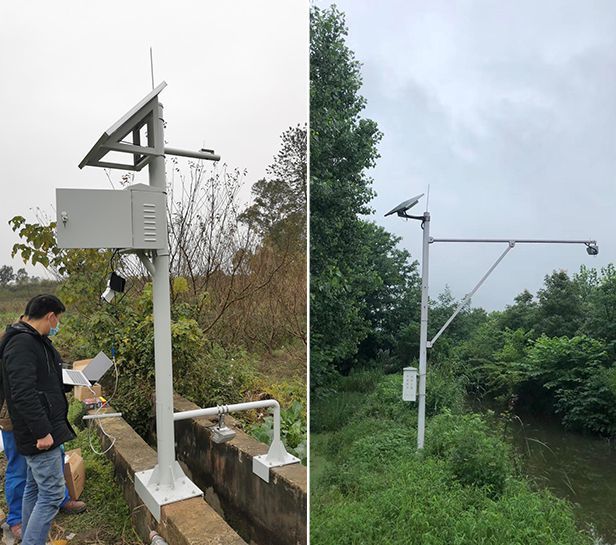
Before purchasing, clearly define what you need the flow meter for—whether it is for wastewater management, river flow measurement, or agricultural irrigation. Consider factors such as the type of liquid, channel shape, and required measurement precision. For example, wastewater applications may fluctuate in consistency, so a device capable of handling variable flow rates is essential.
2. Determine the Measurement Range
Why: Ensuring the flow meter is calibrated for your channel’s specific flow rates is crucial for data accuracy.
Evaluate the maximum and minimum flow rates expected in your application. For instance, if you anticipate flows between 0.5 m³/s and 5 m³/s, ensure the ultrasonic flow meter's range accommodates that. This will prevent bottlenecks or inaccuracies in your readings.
3. Look for Robustness in Design
Why: The physical environment can significantly impact the longevity and performance of the device.
Choose models with durable materials designed to withstand environmental factors like temperature variations, exposure to chemicals, and humidity. For instance, stainless steel construction may be beneficial in corrosive conditions commonly found in wastewater applications. Opting for robust devices often results in a lower total cost of ownership by reducing replacement needs.
4. Evaluate Installation and Maintenance Requirements
Why: Installation complexity can lead to operational inefficiencies and elevated maintenance costs.
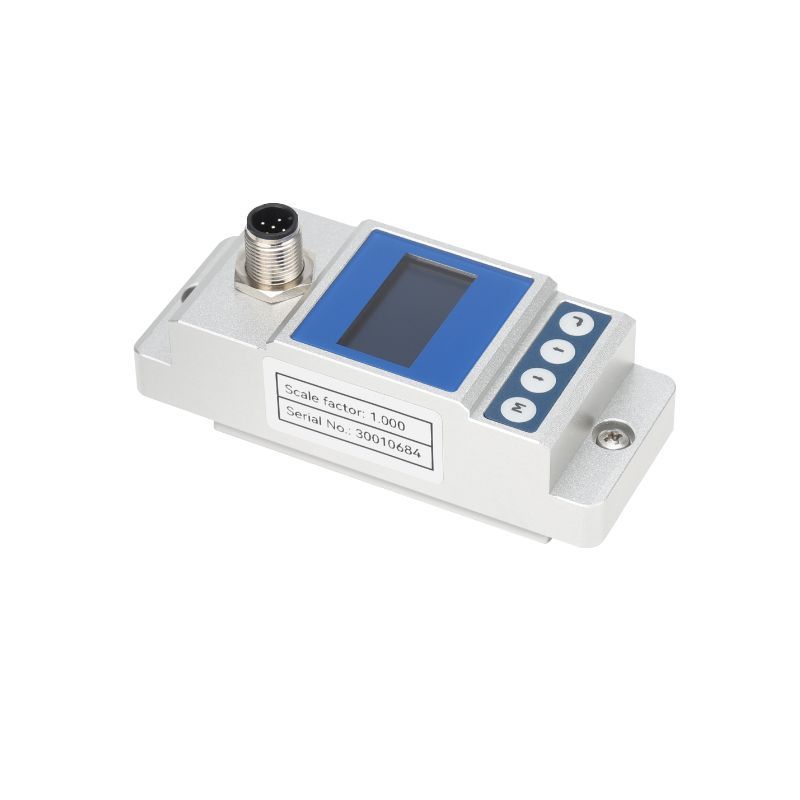
Consider how simple it is to install the flow meter in your existing system. Some ultrasonic flow meters, like those offered by gallopsensor, feature easy-to-follow installation guides. Regular maintenance is also critical—select a model that allows for straightforward access and minimal routine servicing. These factors can save time and resources in the long run.
5. Ensure Data Communication Capabilities
Why: Efficient data transfer is vital for effective monitoring and control of flow systems.
Choose a device that offers multiple communication protocols, such as Modbus or RS485. This ensures compatibility with existing control systems and facilitates real-time data logging and remote monitoring, enhancing the overall system efficiency.
Key Points Summary
In summary, selecting the right ultrasonic flow meter for open channels involves assessing specific application needs, measurement ranges, material robustness, installation ease, and data communication capabilities. Focusing on these areas can ensure accurate and reliable flow measurement while optimizing operational effectiveness in various environments.
FAQ
Q: What types of liquids can ultrasonic flow meters measure?
A: Ultrasonic flow meters can measure a broad range of liquids, including clean water, wastewater, and chemicals, as long as the meter is suited to the specific fluid properties.
Q: How do I know which ultrasonic flow meter is compatible with my existing system?
A: Review the specifications for communication protocols, connection types, and required input/output compatibility to ensure seamless integration.
Q: Can these meters accurately measure turbulent flows?
A: Yes, modern ultrasonic flow meters are engineered to provide accurate measurements even in turbulent conditions, but it's essential to choose a model specifically rated for such applications.
For an in-depth look at reliable ultrasonic open channel flow meters, visit gallopsensor.
Aug. 24, 2026
Aug. 24, 2026
Aug. 24, 2026
Aug. 24, 2026
