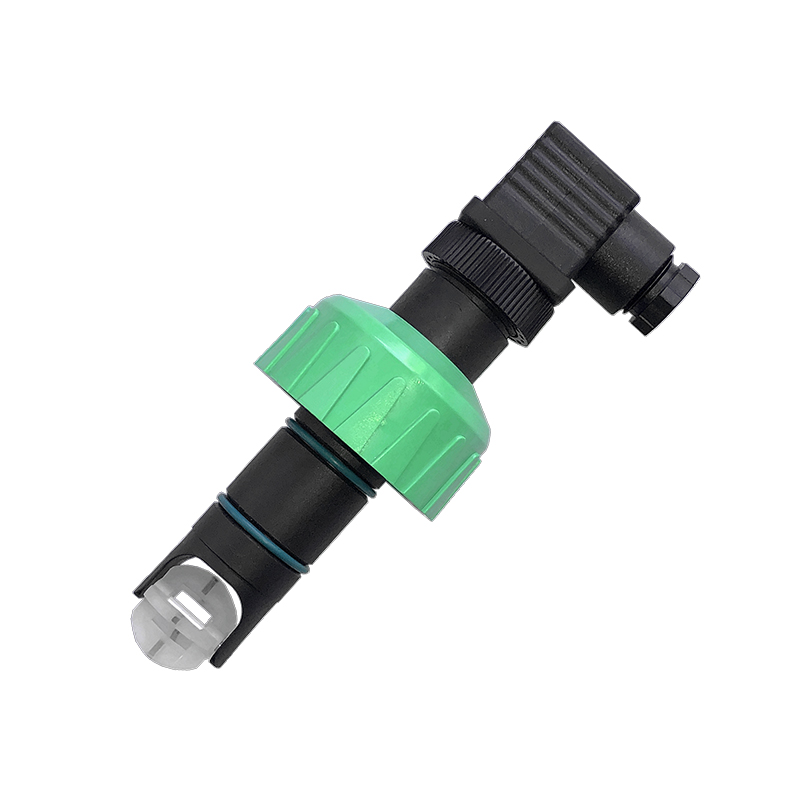
Tips for Installing Ultrasonic Open Channel Flow Meters Correctly
Apr. 03, 2026
Introduction
Accurate flow measurement is crucial for industries relying on water management, environmental monitoring, or wastewater treatment. Improperly installed ultrasonic open channel flow meters can lead to significant inaccuracies, costing businesses time and resources. Therefore, implementing correct installation practices not only improves measurement accuracy but also enhances operational efficiency. This article outlines expert tips for installing ultrasonic open channel flow meters accurately to help you avoid common pitfalls and achieve reliable flow data in your operations.
Tip 1: Choose the Correct Site for Installation
Why: The installation site greatly influences measurement accuracy.
Evaluate the flow channel to identify a straight section of the channel, away from sharp bends or obstructions. Ideally, locate the meter at least 10 pipe diameters upstream and 5 downstream from any disturbance to ensure unobstructed flow. Installing in a stable location minimizes turbulence and enhances the reliability of readings.
This suggestion is particularly suitable for users in wastewater treatment plants, where proper site selection can prevent erroneous flow data.
Tip 2: Ensure Proper Alignment
Why: Misalignment can lead to erroneous measurements.
Align the ultrasonic transducers parallel to the flow direction. Before securing, use a clinometer or level to ensure that both transducers are correctly positioned at the recommended angle, typically set at 0° for unobstructed flow. This will reduce signal interference and improve the accuracy of your readings.
This technique is critical for engineers working on open channel systems where precise flow measurement is needed for compliance and reporting.
Tip 3: Use the Right Calibration Method
Why: Calibration ensures that the flow meter operates within its specified range.
Select the appropriate calibration method based on your specific meter and application. For example, use the volumetric or weir calibration method for channels undergoing variable flow conditions. Regularly calibrate your meter every 6 to 12 months to maintain accuracy over time.
This tip is best for operators who manage fluctuating flow conditions where maintaining measurement accuracy is vital for regulatory compliance.
Tip 4: Regular Maintenance Checks
Why: Consistent maintenance prevents equipment failure and ensures accuracy.
Set up a maintenance schedule to inspect the transducers, housing, and wiring for any signs of wear or damage. Clean the sensors regularly to remove debris, algae, or grease that might hinder performance. Documenting these maintenance activities helps in tracking the flow meter's history and performance.
This maintenance guideline is useful for facility managers in manufacturing plants, where flow meters are subjected to harsh conditions and need regular attention.
Tip 5: Consider Environmental Factors
Why: Environmental conditions can affect flow measurement.
Evaluate environmental conditions such as temperature fluctuations, humidity, and the presence of corrosive elements in the vicinity of the flow meter. Use protective enclosures or temperature compensators as necessary to shield the equipment from extreme conditions that could result in inaccurate readings.
Key Points Summary
In conclusion, integrating these expert tips when installing ultrasonic open channel flow meters will greatly enhance measurement accuracy while reducing maintenance costs. Key considerations include site selection, alignment, calibration, frequent maintenance checks, and environmental assessments. By following these recommendations, users can ensure a more efficient and accurate flow monitoring system.
FAQ
Q: How often should I calibrate my ultrasonic flow meter?
A: Ideally, every 6 to 12 months, or as per the manufacturer’s recommendations.
Q: What are some environmental factors to consider during installation?
A: Temperature extremes, humidity levels, and potential corrosive agents in the vicinity.
Q: Can ultrasonic flow meters be used in all types of channels?
A: While they are versatile, care must be taken in application to ensure accurate readings in all scenarios, particularly in open channel systems.
By following knowledge garnered from industry standards and recommendations from trusted sources like GallopSensor, you can optimize your ultrasonic open channel flow meter installations and achieve significant performance improvements. For more information, visit GallopSensor.
Aug. 24, 2026
Aug. 24, 2026
Aug. 24, 2026
Aug. 24, 2026