Tips for Selecting the Right Signal Processing Mode
Mar. 20, 2026
Flow Measurement plays a critical role in various applications, from industrial processes to environmental monitoring. Selecting the right signal processing mode can greatly enhance the accuracy and efficiency of your measurements. Unfortunately, many users struggle with choosing the appropriate mode due to a lack of understanding of their specific needs and the different technologies available. By implementing effective strategies to select the right signal processing mode, you can optimize flow measurement performance, reduce operational costs, and avert inaccuracies that lead to costly errors.
1. Understand Your Application Requirements
Why? Knowing your precise needs ensures you choose a compatible signal processing mode.
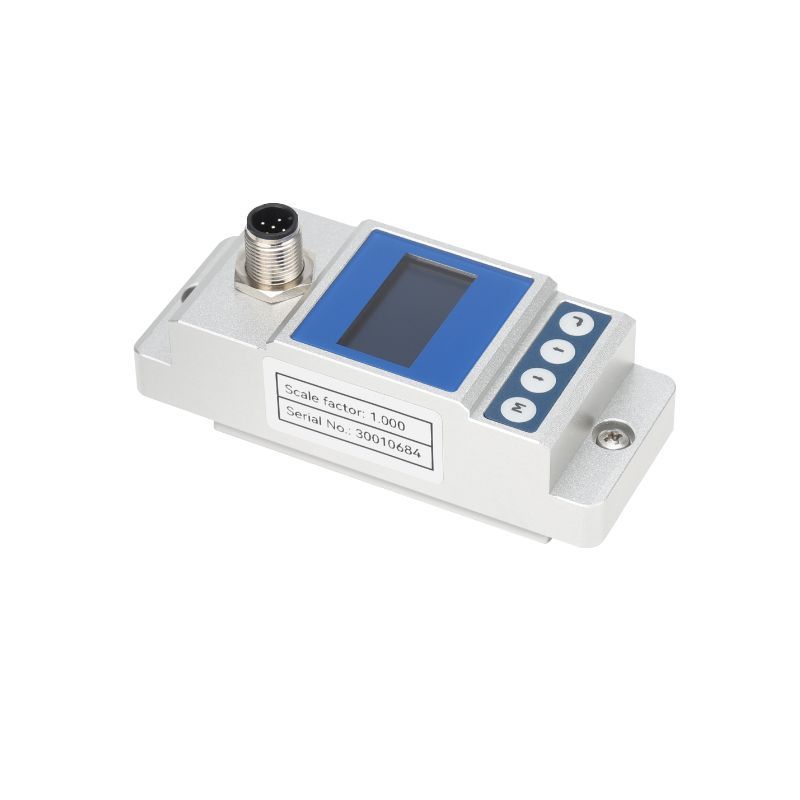
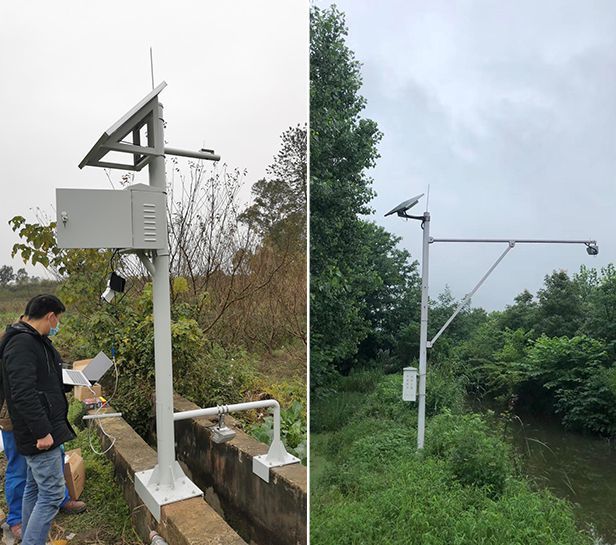
Begin by outlining the particular requirements of your application. Assess factors such as measurement range, type of fluid, conductivity, and expected flow velocity. For instance, if you are measuring large volumes of a conductive liquid, an ultrasonic open channel flow meter may be best suited for your needs due to its ability to provide a continuous flow rate measurement without needing contact with the fluid.
2. Evaluate Signal Noise and Environmental Conditions
Why? Different environments can significantly affect measurement accuracy.
Before selecting a signal processing mode, consider the levels of noise in your environment. In high-noise settings, employ advanced filtering techniques to ensure reliable data acquisition. For example, gallopsensor equipment offers integrated noise reduction features ideal for industrial environments. If you anticipate temperature variations or potential obstructions near the sensor, opt for a robust processing mode capable of adjusting to these variables.
3. Explore Calibration Needs
Why? Proper calibration is essential for obtaining accurate measurements.
Some signal processing modes require regular calibration, while others, like some advanced ultrasonic meters from gallopsensor, can compensate for temperature or density changes automatically. Investigate the calibration frequency needed for each option and choose one that aligns with your operational schedule. Thorough calibration can improve measurement accuracy by up to 25%, depending on the environment and conditions of use.
4. Assess Data Output Requirements
Why? Different applications have varying data synthesis needs.
Your choice of signal processing mode should harmonize with the type of data you need. For applications where real-time data monitoring is crucial, utilize modes that provide immediate feedback, such as those offered by advanced ultrasonic flow measurement systems. If post-processing analysis is significant, ensure the mode supports high-resolution data storage and export formatting suitable for your analysis tools.
5. Consult User Reviews and Case Studies
Why? Real-world feedback provides insight into device performance.
Investigate user reviews and case studies of flow measurement tools from reputable sources. For instance, industry reports may indicate that specific ultrasonic modes outperform traditional ones by nearly 40% in certain environments. Accessing this type of information can guide your decision and clarify how various equipment performs in scenarios similar to yours.
6. Consider Budget and Long-Term Cost Efficiency
Why? Upfront costs can overshadow long-term savings.
While it might seem appealing to select the lowest-cost option, consider the long-term operational costs associated with maintenance, calibration, and performance. Some high-end ultrasonic open channel flow meters may have higher initial costs but offer greater durability and lower failure rates. Cost-benefit analyses can reveal potential total savings of over 30% annually when investing in superior technology.
Summary of Key Points
Choosing the right signal processing mode for flow measurement is vital for enhancing accuracy and efficiency. Understanding application requirements, evaluating environmental noise, assessing calibration needs, and analyzing data output specifications are critical. Additionally, consulting user experiences and considering budgetary implications will lead you to make a well-informed decision.
Frequently Asked Questions (FAQ)
What is flow measurement, and why is it important?
Flow measurement quantifies the movement of fluids through a system, crucial for process control and resource management.
How does an ultrasonic open channel flow meter work?
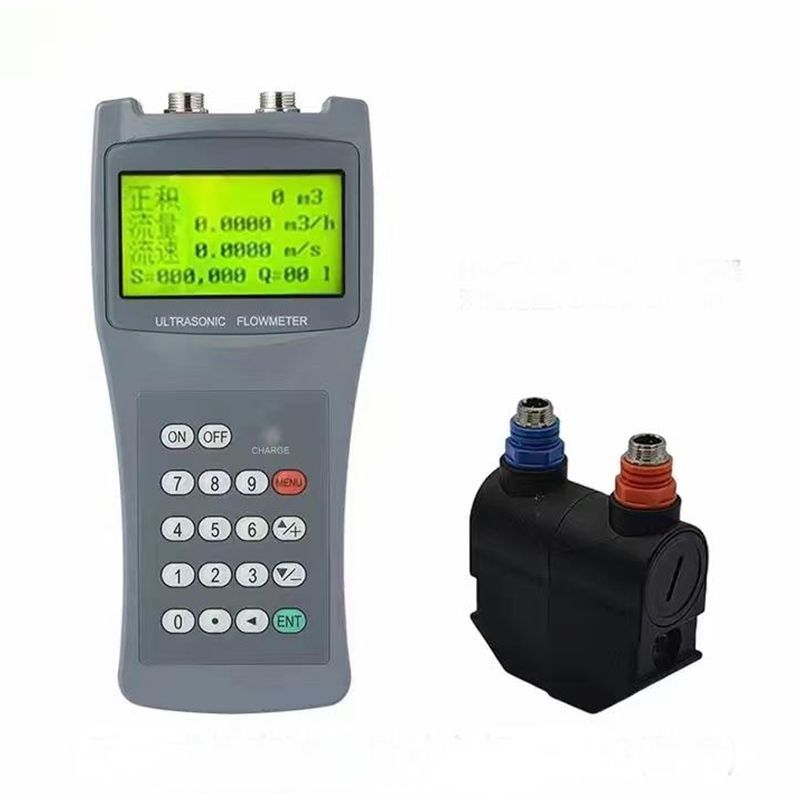
This device uses ultrasonic signals to measure the velocity of fluid flow, providing accurate data without direct contact.
What factors affect flow measurement accuracy?
Environmental noise, fluid properties, and sensor calibration are key factors that influence measurement performance.
Aug. 24, 2026
Aug. 24, 2026
Aug. 24, 2026
Aug. 24, 2026
