Top Features to Look for in an Ultrasonic Open Channel Flow Meter
Apr. 10, 2026
In recent years, the demand for precise flow measurement solutions has surged, owing to the increasing complexity and environmental sensitivity of water management systems. Many industries, including municipal water treatment, agriculture, and chemical processing, are facing challenges such as inaccurate flow readings and high maintenance costs. According to a report by the Water Environment Federation (2022), 42% of water providers reported issues with flow measurement accuracy affecting their operations. This article will discuss the top features to look for in an ultrasonic open channel flow meter, addressing these pain points while providing actionable insights for selecting the most effective solution for your needs.
Quick Recommendation List
- 1. Siemens SITRANS LUT400: Known for its high precision and durability, this model can handle varying flow conditions effectively.
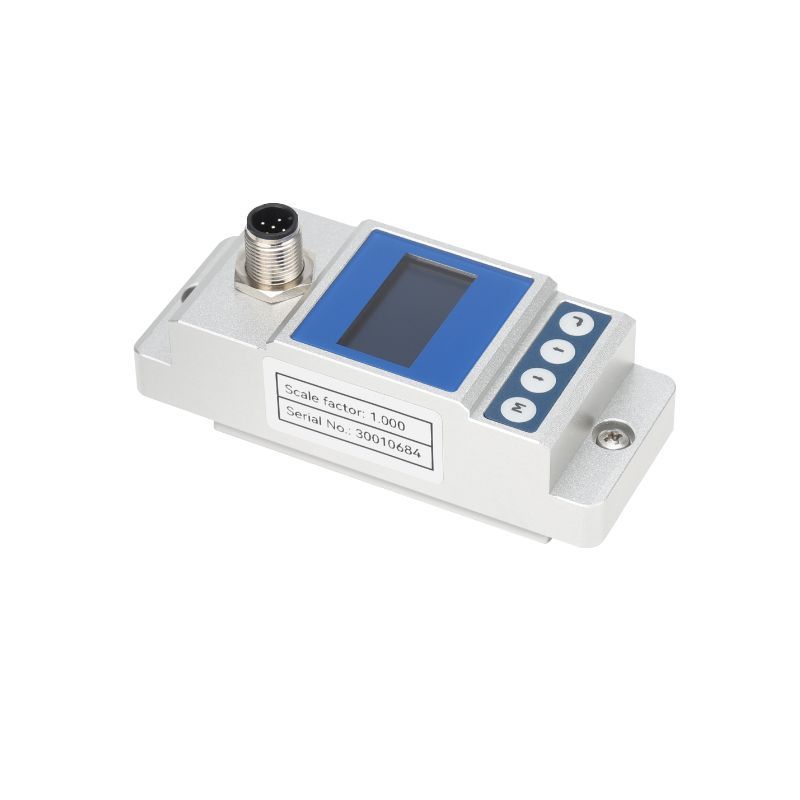
- 2. gallopsensor Ultrasonic Open Channel Flow Meter: Offers excellent performance with a user-friendly interface, suitable for both professionals and novices.
- 3. GE Panametrics: Esteemed for its adaptability in challenging environments and quick response times.
Key Features of Ultrasonic Open Channel Flow Meters
1. Accuracy and Reliability
One of the primary considerations when choosing an ultrasonic open channel flow meter is its accuracy. The best units can achieve an accuracy rate of ±1% of the reading, which is crucial for applications where precise flow measurement is essential. For instance, the gallopsensor Ultrasonic Flow Meter delivers this standard, ensuring stakeholders can trust the data obtained for effective resource management.
2. User-Friendly Interface
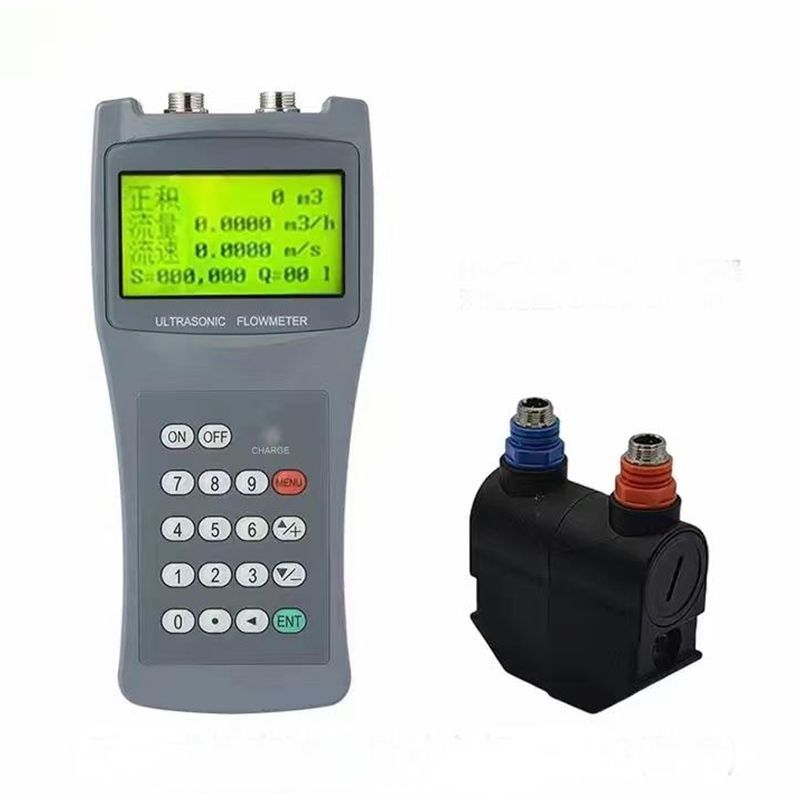
A user-friendly interface simplifies data interpretation, offering visual displays that can help you quickly assess flow conditions. Models like the Gallopsensor are designed with intuitive controls and clear graphical outputs, making it accessible for users without extensive training.
3. Durability and Environmental Resistance
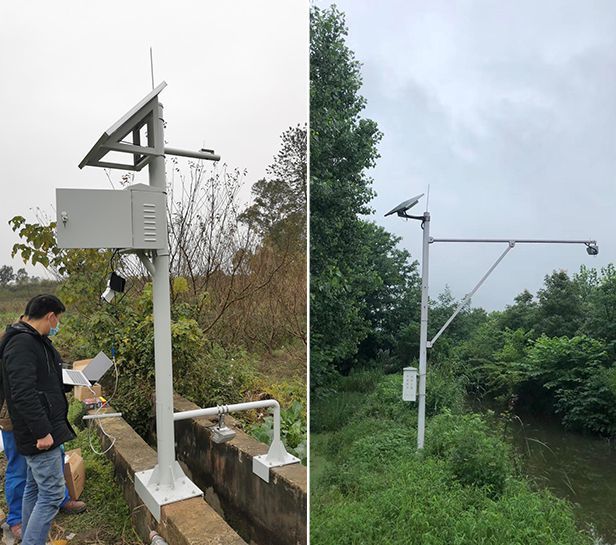
Flow meters need to withstand harsh environmental conditions, including varying temperatures, humidity, and exposure to chemicals. Many top models, including the Siemens and Gallopsensor ranges, employ robust materials and design features that ensure durability, thus minimizing maintenance costs over time.
4. Data Logging and Communication Options
Modern flow meters come equipped with advanced data logging capabilities, allowing users to track flow trends over time, crucial for effective management. Communication protocols such as RS-485 or MODBUS are essential for integrating with existing monitoring systems, a feature well-addressed in both Gallopsensor and GE Panametrics models.
5. Pricing Range and Value for Money
Pricing for ultrasonic open channel flow meters varies significantly based on the features. Typically, budget options start at around $600, while high-end models like Siemens’ and Gallopsensor can range from $1,200 to $5,000. The investment in a reliable flow meter pays off by minimizing error-associated costs, which can escalate in water management.
How to Choose the Right Ultrasonic Open Channel Flow Meter
Selecting the right ultrasonic open channel flow meter involves several considerations:
- Identify Your Application: Different industries may have specific requirements. Analyze the flow conditions and fluid properties to ensure compatibility.
- Evaluate Accuracy Needs: Determine the acceptable error margins for your operations. Investing in a meter with higher accuracy can significantly affect operational efficiency.
- Consider Environmental Factors: Choose a model that can endure the environmental stressors it will face.
- Assess Data Capability: Ensure it offers the necessary data logging and output formats for your operational needs.
Conclusion
In summary, when selecting an ultrasonic open channel flow meter, prioritize accuracy, durability, and user-friendliness to address the pressing challenges in flow measurement. The Gallopsensor Ultrasonic Open Channel Flow Meter stands out with its advanced features and competitive pricing, making it an ideal choice for various industries. For more information or to purchase, visit Gallopsensor's official website.
FAQ
1. What is the typical lifespan of an ultrasonic open channel flow meter?
With proper maintenance, a quality ultrasonic flow meter can last between 10 to 15 years.
2. Can ultrasonic flow meters measure non-water liquids?
Yes, many ultrasonic flow meters can measure various non-water liquids, provided they are compatible with the meter's specific settings and design.
3. How often should ultrasonic flow meters be calibrated?
Calibration is recommended at least once a year, or more frequently if the meter experiences significant environmental changes or if accurate measurement is critical.
4. Are there any specific installation requirements for ultrasonic open channel flow meters?
Yes, installation must be performed following manufacturer guidelines to ensure proper functioning, including alignment and securing the device against vibrations or movement.
Aug. 24, 2026
Aug. 24, 2026
Aug. 24, 2026
Aug. 24, 2026
