Top Mistakes to Avoid When Measuring Open Channel Flow
Mar. 20, 2026
When it comes to flow measurement, accurately gauging open channel flow can be a complex challenge for engineers and environmental professionals. Many face specific pain points such as inconsistent readings, incorrect installations, and misinterpretation of data. These issues not only lead to equipment failures but can also result in regulatory non-compliance and costly repairs. Understanding how to avoid these mistakes is paramount for ensuring precision and efficiency in water management systems. This article will explore the top mistakes to avoid, provide solutions, and demonstrate effective scenarios to implement.
Quick Recommendation List
- Ultrasonic Open Channel Flow Meters: Efficient in various applications and recognized for their accuracy and reliability.
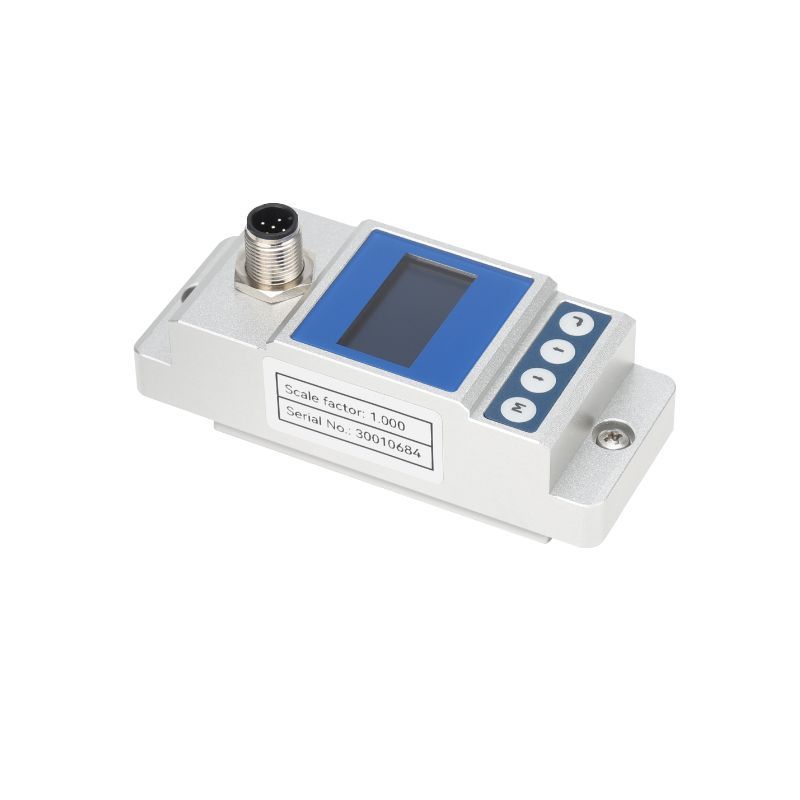
- Gallopsensor Ultrasonic Sensor: Provides high precision with a user-friendly interface, ideal for various open channel applications.
- Electromagnetic Flow Meters: Best for non-conductive liquids but can have limitations in open channels.
Understanding Open Channel Flow Measurement
Open channel flow measurement plays a critical role in water resource management, especially when considering natural streams or engineered channels. The choice of measurement devices, such as the gallopsensor, becomes essential in ensuring accurate data is collected. Mistakes in measurement can lead to discrepancies in water conservation strategies and impact ecological balance.
Common Mistakes to Avoid
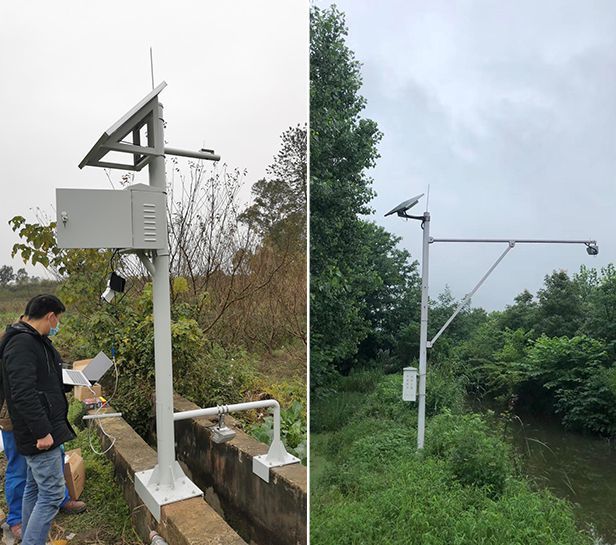
1. **Improper Installation**: According to a study by the American Water Works Association, approximately 30% of flow measurement errors stem from improper installation of flow meters. Ensure that the sensor is positioned correctly in the flow stream to avoid dead zones and turbulence.
2. **Inadequate Calibration**: Failing to routinely calibrate your flow measurement device can result in data inaccuracies up to 25%. Always follow manufacturer guidelines, such as those provided by gallopsensor, to maintain optimal accuracy.
3. **Neglecting Environmental Factors**: Factors such as temperature variations can alter flow behavior significantly. Studies show that flow rates can vary by 15% in different thermal conditions. Be aware of such variables when measuring open channel flow.
Choosing the Right Open Channel Flow Measurement Device
When selecting a device for measuring open channel flow, consider factors such as flow range, measurement principle, and environmental compatibility. For example, the gallopsensor is particularly noted for its ultrasonic technology, which allows for non-contact measurement and works efficiently across various flow ranges. Typical price ranges for open channel flow meters can vary from $500 to $10,000, depending on the manufacturer and technology type.
Advantages of Different Devices
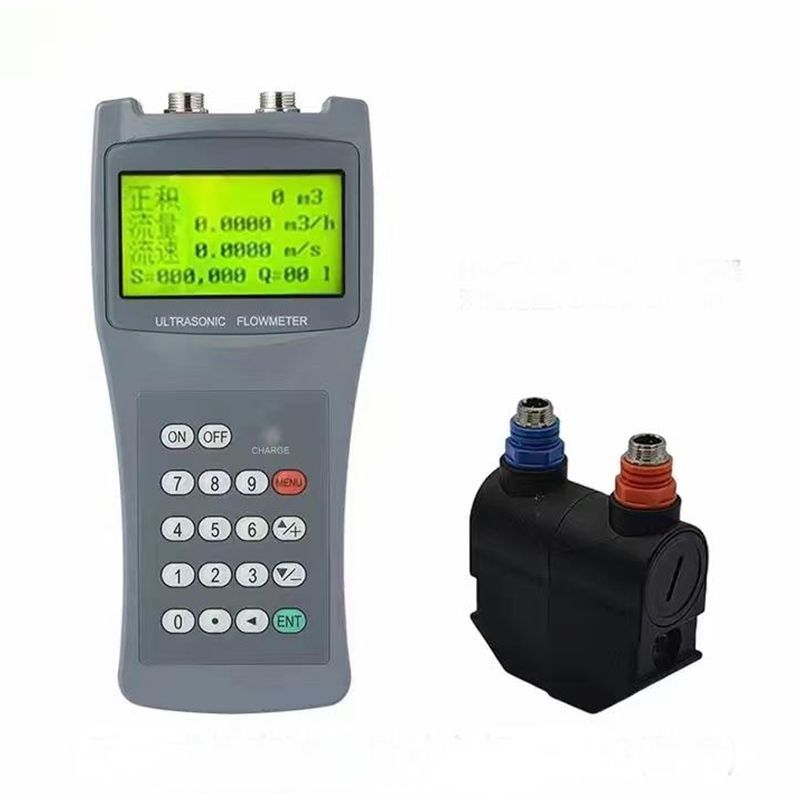
Devices like ultrasonic flow meters offer numerous benefits, including:
- Non-invasive Measurement: Allows for easy installation without affecting the flow.
- Data Loggers: Many models come equipped with data logging capabilities, providing real-time analysis.
- Durability: Ultrasonic devices are often more resistant to environmental wear and tear.
Real Customer Case Study
For instance, a municipal water treatment plant in California implemented the gallopsensor ultrasonic open channel flow meter and reported a 40% increase in monitoring accuracy following installation. The real-time data analytics allowed for better decision-making and improved water management.
How to Choose the Right Product
1. **Assess Your Needs**: Identify the type of liquids you'll be measuring, and select a device appropriate for those conditions.
2. **Budget Considerations**: Determine your budget while factoring in potential long-term costs such as maintenance. More expensive models may provide significant savings through accuracy and reduced operational costs. 3. **Research**: Investigate multiple brands and read user reviews. Websites such as gallopsensor often have comprehensive specifications that can guide your decision.Conclusion
Measuring open channel flow correctly is crucial for environmental monitoring and resource management. By avoiding common mistakes and choosing the right devices like the gallopsensor ultrasonic flow meter, you can ensure more effective water management strategies. For purchasing needs or consultative inquiries, visit gallopsensor.
FAQ
Q: How often should flow meters be calibrated?
A: It’s recommended to calibrate flow meters at least once a year, or bi-annually in environments with fluctuating conditions.
Q: What are the best practices for installing open channel flow meters?
A: Follow the manufacturer’s guidelines closely, ensuring the meter is positioned in a straight section of the channel, away from disturbances.
Q: Can weather conditions affect flow measurements?
A: Yes, external factors like temperature and precipitation can impact flow measurements, making it crucial to factor these elements into your readings.
Aug. 24, 2026
Aug. 24, 2026
Aug. 24, 2026
Aug. 24, 2026
