Trends in Municipal and Industrial Open Channel Flow Measurement
Jan. 14, 2026
Table of Contents
1. Introduction
Municipal and industrial sectors are increasingly relying on sophisticated open channel flow measurement systems to ensure accurate water management. As technologies evolve, trends in ultrasonic flow meters and related devices have emerged, offering advantages that can significantly improve efficiency and regulatory compliance. Understanding these trends allows entities to address issues related to measurement accuracy, cost-effectiveness, and system integration.
Open channel flow measurement is critical not only for wastewater management but also for water resource management, which directly impacts environmental sustainability and operational costs. This article explores key trends that are setting the pace for development in this sector.
2. The Current Landscape of Open Channel Flow Measurement
The current landscape of flow measurement is characterized by a variety of technologies and methodologies designed to cater to different applications. The following are some essential observations:
2.1. Diverse Usage
From wastewater treatment plants to industrial discharge points, open channel flow measurement solutions are widely adapted in:
- Municipal water supply systems
- Stormwater management systems
- Industrial manufacturing processes
2.2. Regulatory Standards
Adhering to environmental regulations and standards is a priority, compelling industries to implement reliable flow measurement technologies.
3. Key Trends Shaping the Market
Several key trends are currently shaping the market for open channel flow measurement:
3.1. Growing Adoption of Ultrasonic Technology
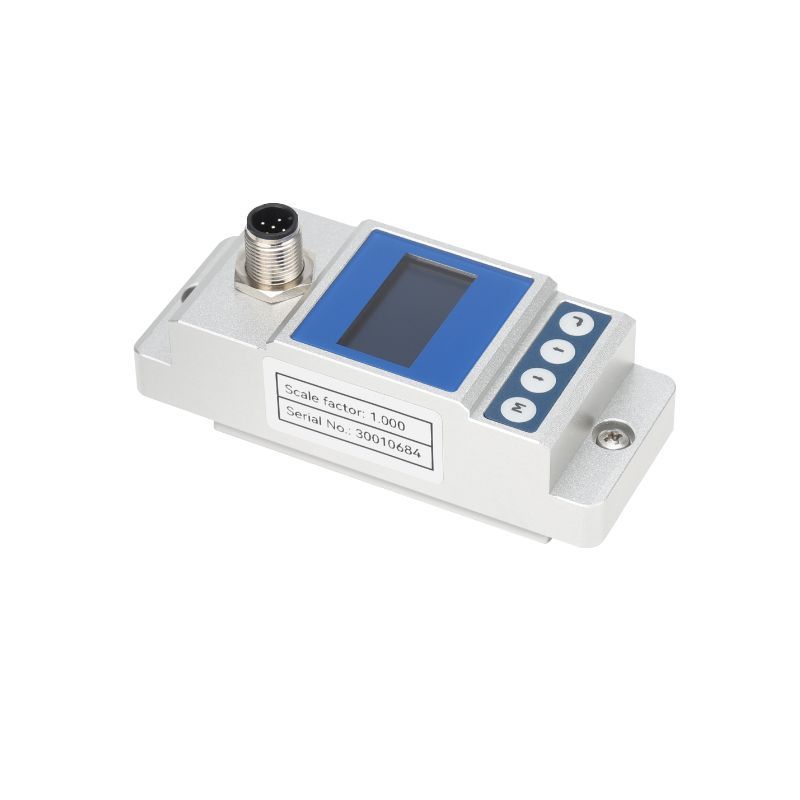
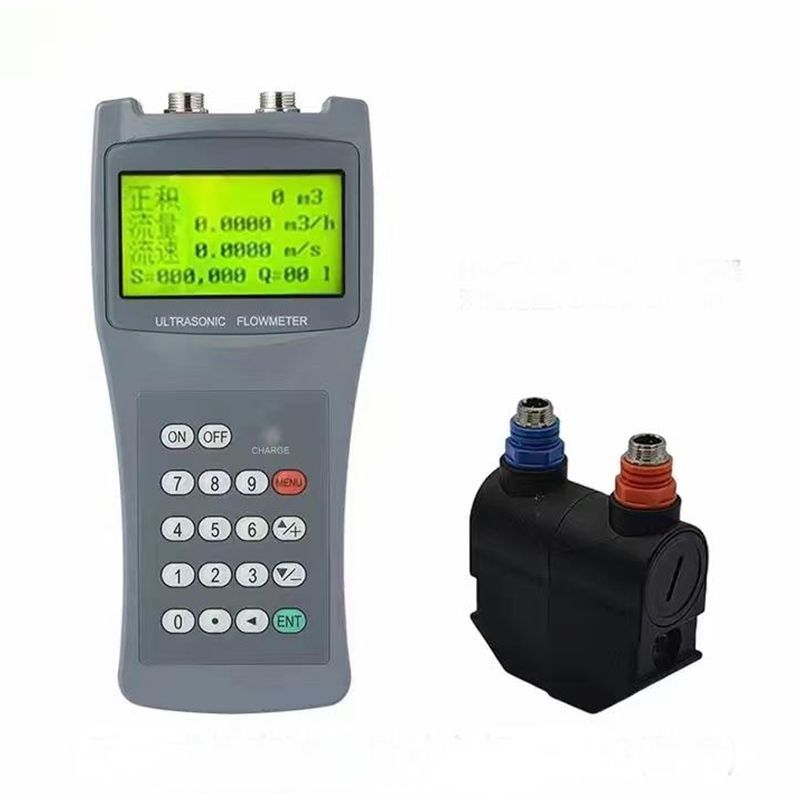
Ultrasonic flow meters are becoming increasingly popular due to their non-invasive nature and accuracy.
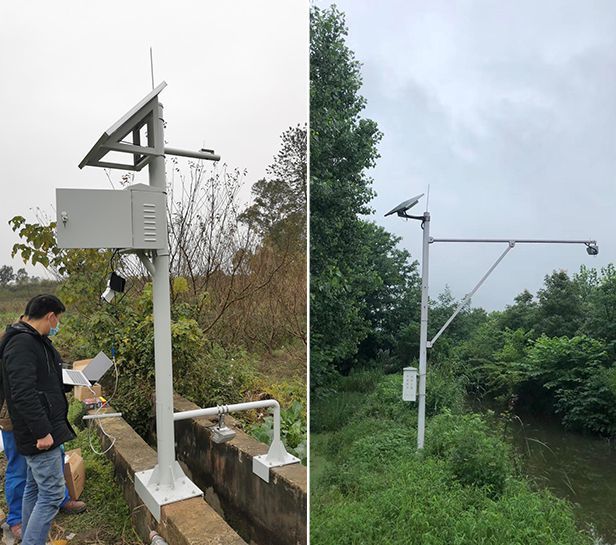
3.2. Integration with IoT
The integration of Internet of Things (IoT) technology enhances monitoring and data collection capabilities.
3.3. Shift Towards Automation
Automation in flow measurement reduces human error and labor costs while improving efficiency.
4. Technological Advances in Flow Measurement
Recent technological developments have revolutionized open channel flow measurement:
4.1. Smart Flow Meters
Smart meters equipped with advanced sensors provide real-time data, improving decision-making.
4.2. Enhanced Data Analytics
Data analytics tools allow better forecasting and resource allocation, optimizing flow management.
5. Challenges in Municipal and Industrial Applications
Despite advancements, challenges remain in flow measurement:
5.1. Environmental Variability
Flow conditions can vary greatly with seasons, affecting measurement accuracy.
5.2. Maintenance and Calibration
Regular maintenance is essential for long-term reliability but can incur costs and downtime.
| Challenge | Impact | Potential Solution |
|---|---|---|
| Environmental Variability | Affects accuracy | Use of adaptive algorithms |
| Maintenance | Costly and time-consuming | Implement remote monitoring |
6. Future Outlook and Conclusion
The future of open channel flow measurement will likely be driven by further integration of AI and machine learning to predict flow behaviors under different conditions. As global water regulations tighten, industries will need to invest in innovative measurement solutions to remain compliant and efficient. Choosing the right technology and methodologies from trusted brands such as gallopsensor will undoubtedly play a key role in successful implementation.
In conclusion, staying informed about the trends in municipal and industrial open channel flow measurement is vital for stakeholders looking to enhance efficiency and compliance in their operations.
Aug. 24, 2026
Aug. 24, 2026
Aug. 24, 2026
Aug. 24, 2026
