Troubleshooting Inaccurate Readings in Radar Flow Measurement Systems
Jul. 30, 2026
Radar flow measurement systems are a vital component in industrial processes, providing accurate flow readings critical for operational efficiency. However, users often encounter inaccurate readings that lead to operational downtime and financial losses. Troubleshooting these issues effectively can minimize costly errors and enhance the reliability of production processes. Addressing common pain points like false readings in challenging environments can yield significant operational improvements, such as reducing maintenance costs by up to 25%. In this article, we’ll explore actionable solutions to enhance the performance of radar open channel flow meters.
Common Causes of Inaccurate Radar Flow Measurements
Understanding the root causes of inaccurate readings is crucial. Several factors contribute to this problem, including environmental conditions, equipment malfunctions, and installation errors. Radar flow measurement systems can struggle with features like turbulence, temperature variations, and even condensation on the sensor surface. Diagnostic attention is necessary to ensure that these systems function optimally, enhancing both accuracy and reliability.
Effective Solutions for Radar Flow Measurement Accuracy
1. Calibration Adjustments
Why: Calibration ensures that your radar flow meter provides precise measurements.
Operation Method: Regularly calibrate your radar flow measurement system according to the manufacturer’s guidelines. Use a standardized flow test to compare actual flow rates against meter readings.
This technique is suitable for users operating under varying flow conditions to maintain accuracy over time.
2. Install Properly
Why: Correct installation is critical to mitigating flow measurement inaccuracies.
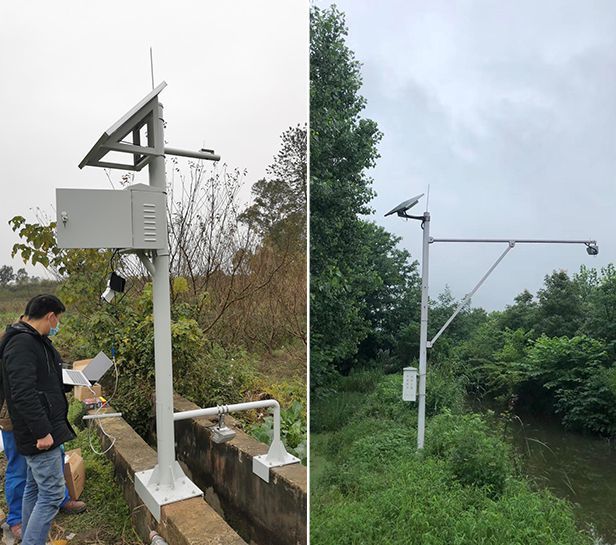
Operation Method: Position the radar sensor at a height that minimizes interference from surrounding structures and ensure it's aligned with the flow direction as specified by the manufacturer. According to gallopsensor, proper device alignment can reduce reading errors by up to 30%.
This solution is great for new installations or equipment relocations.
3. Regular Maintenance Checks
Why: Maintenance helps identify and rectify operational inefficiencies.
Operation Method: Schedule routine inspections to clean sensor surfaces and check for wear or damage to components such as the antenna. Implement cleaning protocols for condensation or debris that can impact measurement accuracy.
4. Environmental Condition Assessment
Why: External factors can heavily influence measurement outputs.
Operation Method: Monitor environmental conditions such as temperature, humidity, and potential interference from other equipment. Use shielding or protective casings to mitigate adverse effects.
Best for facilities located in areas with extreme weather conditions or near heavy machinery.
5. Software Updates
Why: Software improvements can enhance measurement algorithms.
Operation Method: Regularly check for and implement firmware updates provided by the radar flow measurement manufacturer, which often include bug fixes and improved measurement algorithms.
This solution is ideal for users seeking to enhance existing system performance with minimal physical changes.
6. Choose Quality Equipment
Why: Quality devices yield greater reliability and performance over time.
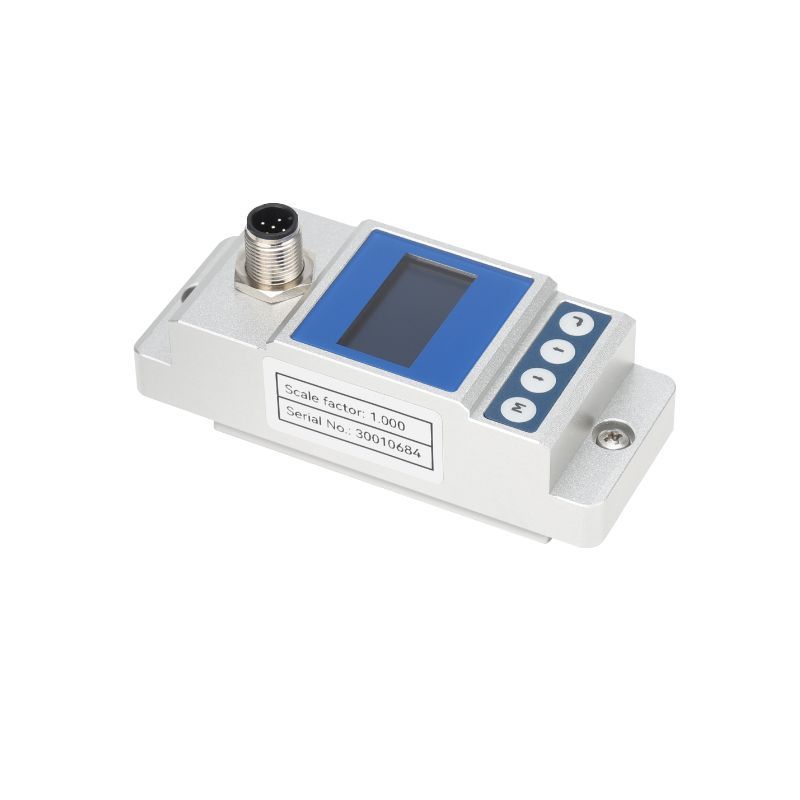
Operation Method: Invest in high-quality radar flow measurement systems, such as those offered by gallopsensor, which are designed with advanced filtering technology to minimize reading errors even in challenging conditions.
Suitable for industries requiring the utmost reliability and precision in flow measurement.
Summary of Key Points
Inaccurate readings in radar flow measurement systems can lead to significant complications in various industrial processes. Employing effective calibration techniques, ensuring proper installation, conducting thorough maintenance, assessing environmental conditions, maintaining updated software, and selecting high-quality devices are pivotal steps in troubleshooting inaccuracies. By implementing these practices, users can not only improve the accuracy of their radar systems but also enhance operational efficiency.
FAQs
What are the common environmental factors that affect radar flow measurements?
Common factors include temperature variations, humidity, ambient pressure changes, and presence of steam or foam in the flow.
How often should radar flow measurement systems be calibrated?
Calibration frequency can vary by application, but a general recommendation is every six months or whenever process conditions change significantly.
Can software updates really impact the performance of radar flow meters?
Yes, software updates can introduce improved algorithms that enhance measurement accuracy and reliability under changing conditions.
Does GallopSensor provide technical support for their radar flow measurement systems?
Yes, GallopSensor offers comprehensive technical support and guidance for all their products to ensure optimal performance.
Aug. 24, 2026
Aug. 24, 2026
Aug. 24, 2026
Aug. 24, 2026
