Ultrasonic Level Transmitters - Reliable Liquid Level Measurement Devices
Aug. 21, 2024

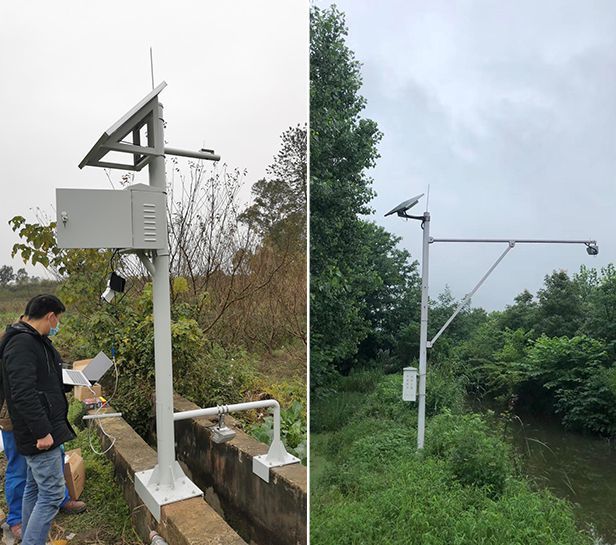
Whether it's a complex industrial process or a simple liquid storage tank, ultrasonic level transmitters provide a reliable, cost-effective solution. They offer non-contact measurement options, which means there is no need for any physical contact with the storage medium, ensuring that there is no contamination or damage to the material being measured.
The advantage of using ultrasonic level transmitters is that they provide accurate readings even in harsh environments such as high temperature or low pressure. Ultrasonic level transmitters can be used in a wide range of industries such as chemical, oil and gas, water treatment, food and beverage and pharmaceutical.
Ultrasonic level transmitters are an important tool to help measure and monitor liquid levels in tanks and vessels. These devices use high-frequency sound waves to calculate the distance between the transmitter and the surface of the product. In recent years, this technology has gained popularity due to its accuracy, reliability and ease of use.
Another advantage is that these devices are not affected by the density or viscosity of the liquid or solid material being measured. This means that they can accurately measure the level of a wide range of materials.
The installation of ultrasonic level transmitters is both time-saving and simple. With minimal or no calibration, the unit can be up and running in minutes. It is also easy to connect to other systems, making it ideal for integrated solutions.
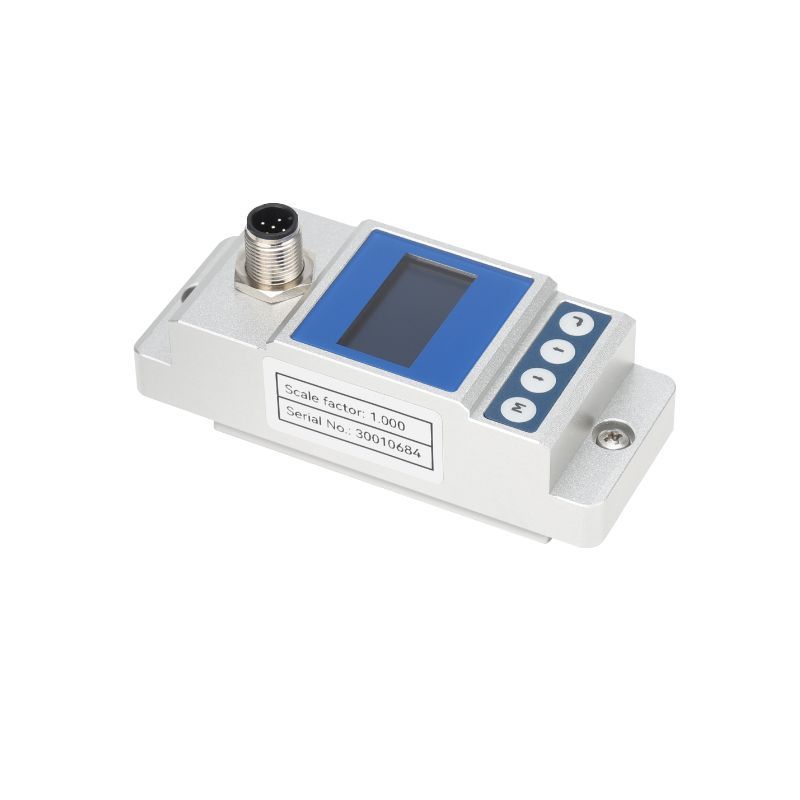
In addition, ultrasonic level transmitters are user-friendly and easy to install, operate and maintain. They can be connected to a control system or a digital display, making it easy to monitor and control the level of the material under test.
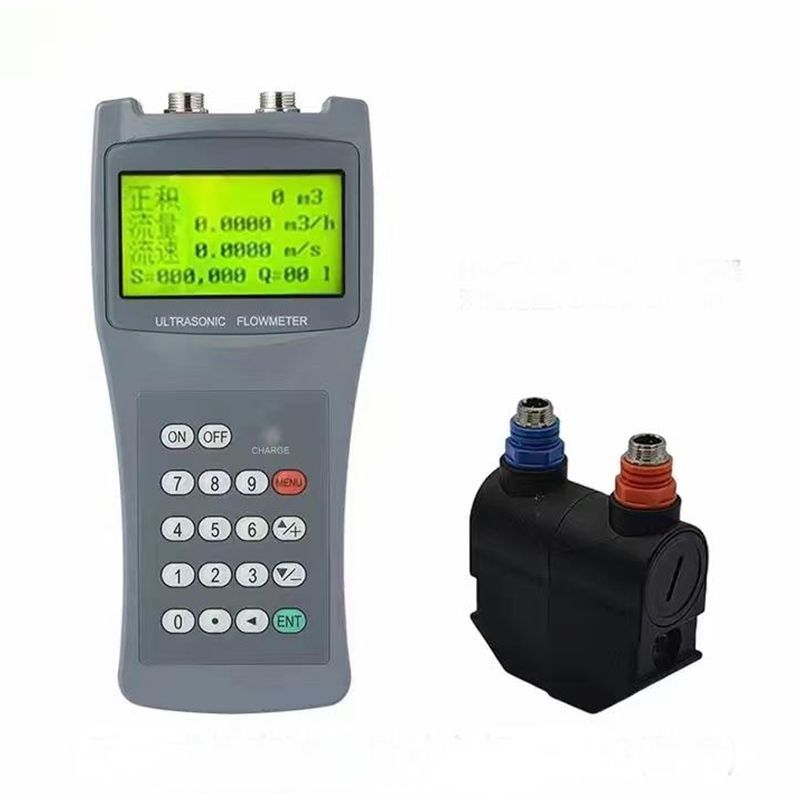
The ultrasonic level meters developed by our company can be customized with different sensors, different connection specifications, different output signals and housings according to customer requirements. Please feel free to contact us if you need.
Aug. 24, 2026
Aug. 24, 2026
Aug. 24, 2026
Aug. 24, 2026
