Ultrasonic vs Electromagnetic Open Channel Flow Meters: Key Differences
Apr. 06, 2026
1. Understanding Open Channel Flow Measurement Technology
1.1 Overview of Ultrasonic Flow Meters
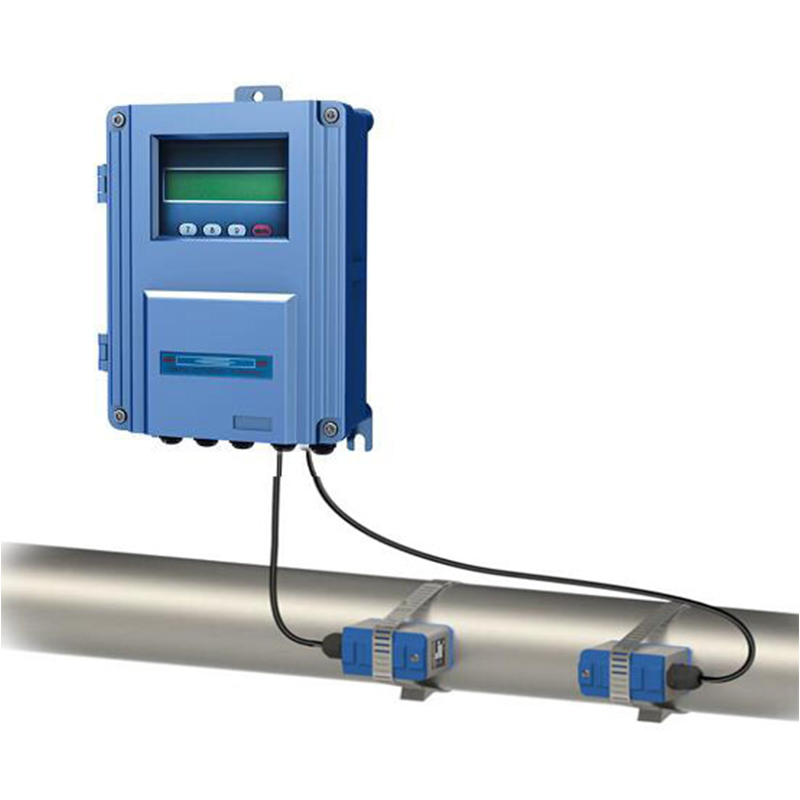
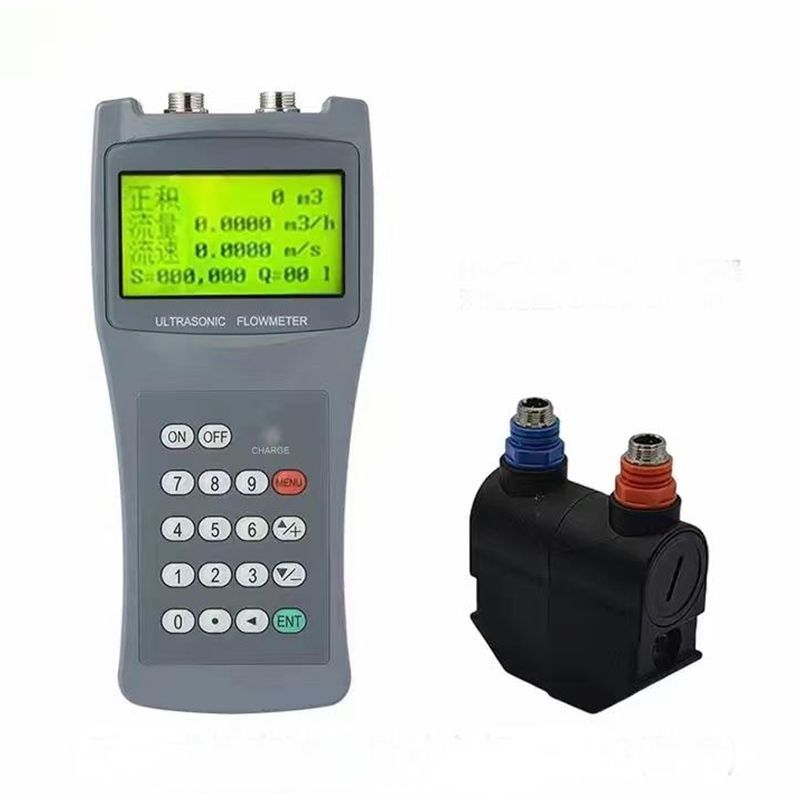
Ultrasonic flow meters use sound waves to measure the flow of liquids in an open channel. They are known for their accuracy and non-invasive operation, making them suitable for a variety of applications.
1.2 Overview of Electromagnetic Flow Meters
Electromagnetic flow meters utilize Faraday's law of electromagnetic induction to measure the flow of conductive liquids. Their design allows for direct contact with the fluid, providing real-time data on flow rates.
2. Core Parameters Comparison
2.1 Measurement Range and Accuracy
• Ultrasonic meters typically offer a wide measurement range, with accuracy levels reaching up to ±1%.
• Electromagnetic meters, on the other hand, are very precise for conductive fluids, often achieving an accuracy of ±0.5%.
2.2 Installation and Maintenance Requirements
• Ultrasonic meters require minimal installation effort and maintenance, needing no moving parts.
• Electromagnetic meters, however, may require more extensive upkeep due to their more complex components.
3. Energy Consumption and Battery Life
3.1 Battery Life Assessment
• Ultrasonic flow meters often operate on battery power and can last several years on a single charge.
• Electromagnetic meters need continuous power supply, which may be a critical factor in remote locations.
3.2 Power Options
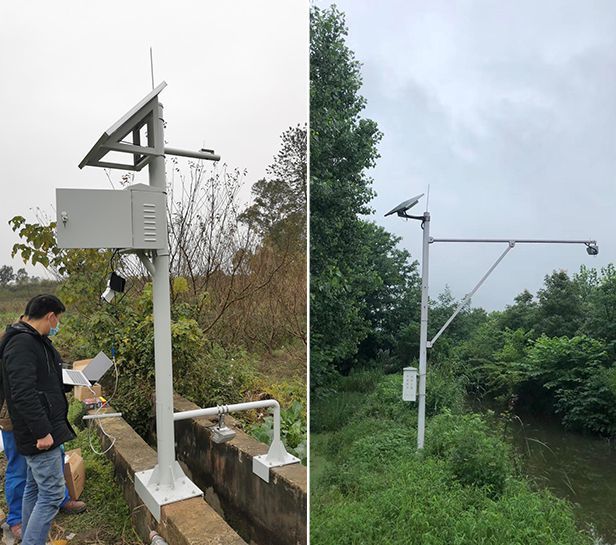
• Ultrasonic flow meters can be powered by batteries or solar energy.
• Electromagnetic meters usually require mains electricity or a generator, imposing limitations in remote settings.
4. Stability Under Various Conditions
4.1 Performance in Different Temperature and Pressure Conditions
• Ultrasonic meters perform well under stable temperature and pressure conditions but may falter in extreme environments.
• Electromagnetic meters can handle a broader range of pressures, making them suitable for industrial applications.
4.2 Effect of Fluid Properties on Measurement
• Ultrasonic meters struggle with aerated or low-density fluids, affecting measurement accuracy.
• Electromagnetic meters are less affected by fluid density and allow for better performance with varying flow conditions.
5. Summary of Advantages and Disadvantages
5.1 Ultrasonic Flow Meter Advantages
• Non-intrusive measurement.
• Long battery life.
• Easy and quick installation.
5.2 Ultrasonic Flow Meter Disadvantages
• Less accurate with low-density fluids.
• Performance can be affected by temperature and pressure variations.
5.3 Electromagnetic Flow Meter Advantages
• Highly accurate for conductive fluids.
• Robust for various pressure and temperature conditions.
5.4 Electromagnetic Flow Meter Disadvantages
• Requires continuous power supply.
• More complex installation and maintenance procedures.
6. Application Suitability for Different Groups
6.1 Best Uses for Ultrasonic Flow Meters
• Ideal for municipal water applications.
• Suitable for open channels with varying flows.
• Best for users requiring quick and non-invasive measurements.
6.2 Best Uses for Electromagnetic Flow Meters
• Perfect for wastewater treatment facilities.
• Recommended for industries with conductive fluids.
• Suitable for users prioritizing accuracy in high-pressure environments.
In conclusion, when choosing between ultrasonic and electromagnetic open channel flow meters, understanding the specific requirements and conditions of your application is crucial. Both technologies have unique strengths that can cater to different needs. For high accuracy and robust applications, consider an electromagnetic flow meter, whereas for ease of use and flexibility, an ultrasonic flow meter, like those available from Gallopsensor, may be the best option. Explore our offerings at Gallopsensor for reliable solutions.
Aug. 24, 2026
Aug. 24, 2026
Aug. 24, 2026
Aug. 24, 2026