Urban Rainwater Harvesting Gains Accuracy with Compact Electromagnetic Flow Transmitter
Sep. 08, 2025
Table of Contents
1. Introduction
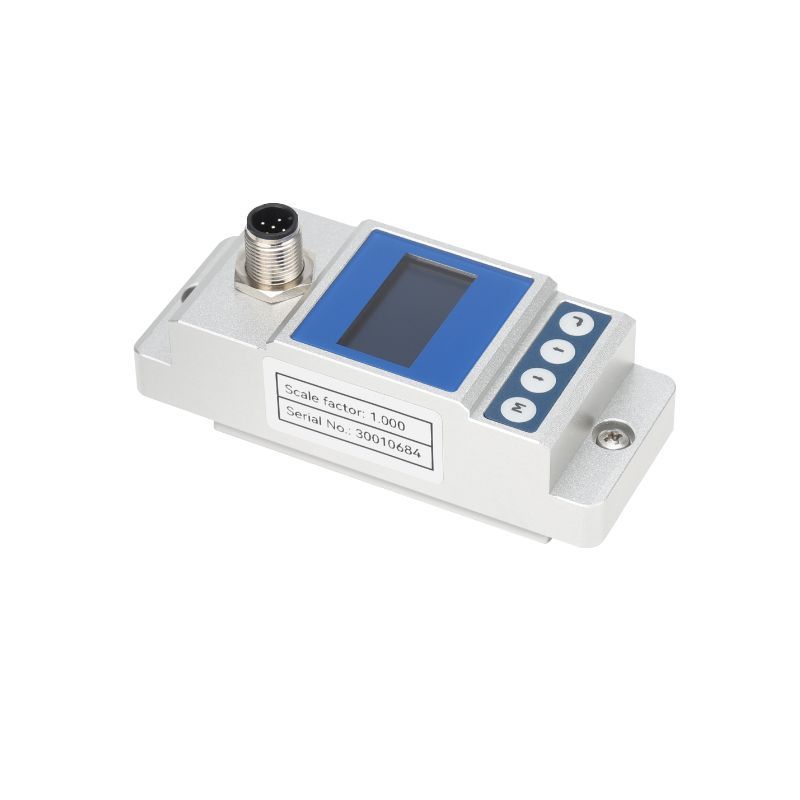
Urban rainwater harvesting systems are becoming increasingly crucial due to growing concerns over water scarcity and environmental sustainability. In this context, a compact electromagnetic flow transmitter offers an innovative solution that enhances measurement accuracy and operational efficiency. These flow transmitters are characterized by their high precision, reliability, and ability to handle a variety of fluids, making them ideal for rainwater harvesting initiatives. Their integration into the urban infrastructure can significantly streamline the water management processes.
2. Benefits of Using Electromagnetic Flow Transmitter
-
High Measurement Accuracy
Electromagnetic flow transmitters can measure flow rates to an accuracy of ±0.5%. This precision is vital for effective water management.
-
Compact Design
The compact design allows for easy installation in restricted spaces within urban environments where traditional systems may not fit.
-
Durability and Maintenance
These devices are resistant to debris and corrosive substances, minimizing the need for frequent maintenance.
-
Compatibility with Modern Systems
Electromagnetic technology integrates seamlessly with existing smart city technologies, promoting efficient data flow.
-
Cost-Effectiveness
Long-term operational costs are reduced since these transmitters eliminate the need for regular recalibration and repairs common with mechanical devices.
3. Applications in Urban Rainwater Harvesting
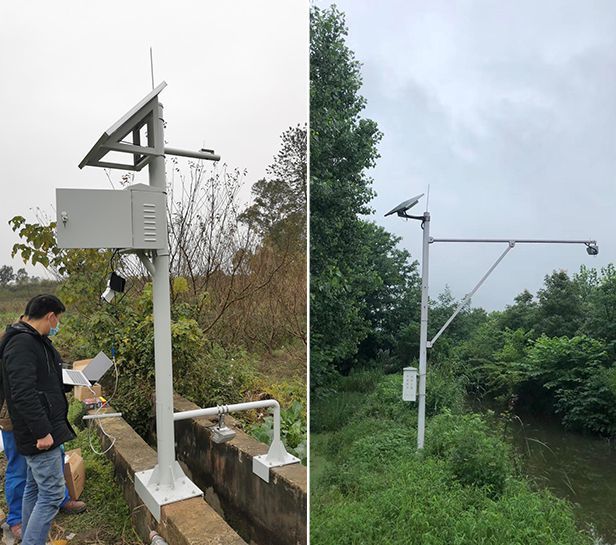
In urban rainwater harvesting systems, electromagnetic flow transmitters play a pivotal role in monitoring and managing water flow. They can be applied in various scenarios:
- Monitoring rainfall runoff in real-time
- Tracking the overall efficiency of rainwater collection systems
- Ensuring the quality of harvested water through consistent flow checks
Overall, the use of these transmitters can enhance operational decision-making and sustainability practices in urban environments.
4. Case Studies: Success Stories
Numerous cities that have implemented compact electromagnetic flow transmitters in their rainwater harvesting systems report substantial improvements. Here are notable examples:
| City | Project Description | Results Achieved |
|---|---|---|
| City A | Installed EM flow transmitters in multiple parks | Increased water collection efficiency by 30% |
| City B | Integrated EM flow transmitters with smart sensors | Reduced waste water management costs by $20,000 annually |
| City C | Used in large-scale urban agricultural systems | Enhanced crop yield by 25% due to improved irrigation |
5. Conclusion
The integration of compact electromagnetic flow transmitters in urban rainwater harvesting systems not only improves accuracy but also promotes sustainability and efficiency. As cities continue to face water management challenges, these innovative solutions will become essential in achieving urban water conservation goals and ensuring long-term environmental health.
Aug. 24, 2026
Aug. 24, 2026
Aug. 24, 2026
Aug. 24, 2026
