Using Ultrasonic Flow Data for Industrial Process Optimization
Mar. 30, 2026
Table of Contents
Introduction
Using ultrasonic flow data for industrial process optimization is crucial in modern industries. Ultrasonic flow meters provide accurate information to improve system efficiency. Many industries face challenges in measuring flow rates precisely with traditional methods. This can lead to unnecessary costs and waste. Ultrasonic flow meters offer a solution. They use sound waves to measure the flow of liquids and gases. This article explores how to utilize this technology for enhanced operations.

Summary Answer
Ultrasonic flow meters optimize industrial processes by providing accurate, real-time flow data, which leads to improved efficiency and reduced costs.
Key Points
1. Accuracy of Ultrasonic Flow Meters
Ultrasonic flow meters are known for their high accuracy. They can typically measure flow rates within ±1% accuracy. This precision is important for maintaining optimal operations in industries such as wastewater treatment and chemical processing.
2. Cost-Effectiveness
Studies show that switching to ultrasonic flow meters can reduce maintenance costs by up to 30%. This is due to their non-invasive measuring method. They do not have moving parts, reducing wear and tear over time.
3. Easy Installation
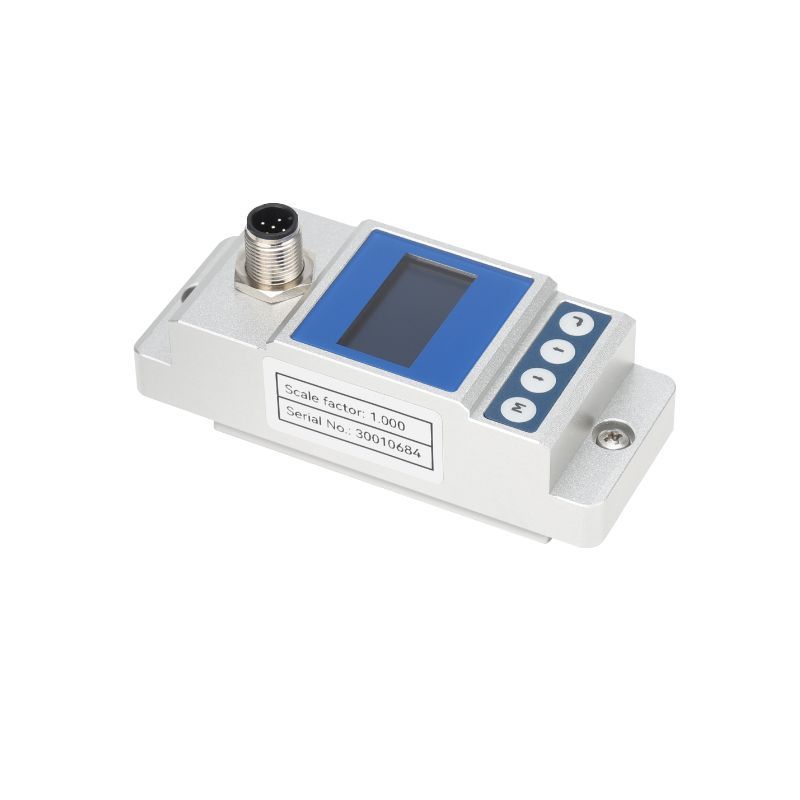
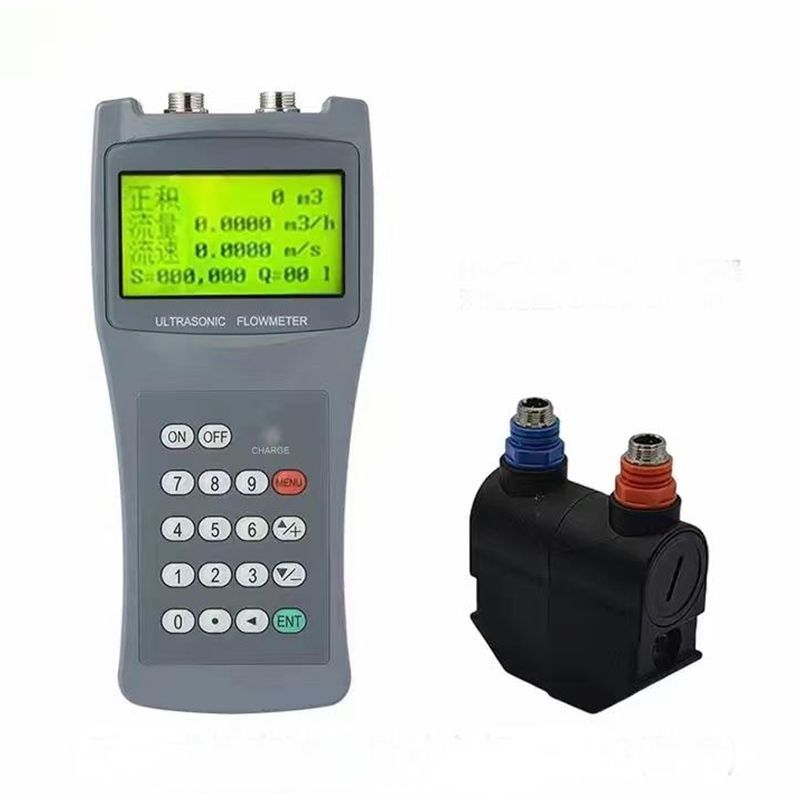
Installation of ultrasonic flow meters is straightforward and often requires no special tools. They are typically clamp-on devices that attach to the outside of pipes. This ease of installation allows for quick upgrades to existing systems.
4. Versatility in Applications
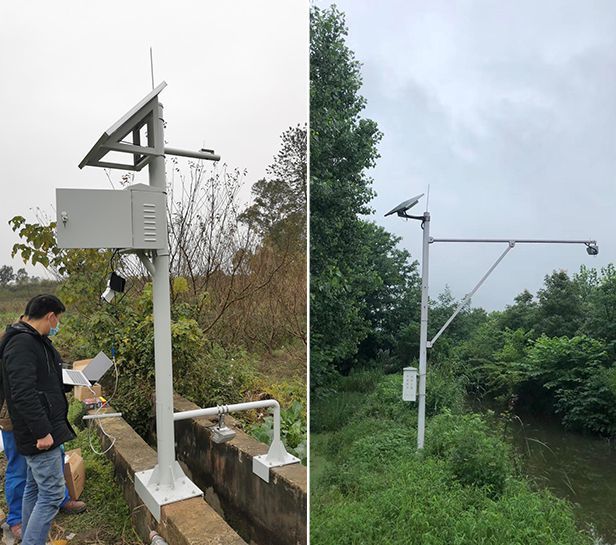
Ultrasonic flow meters can be used for a variety of media. They are effective for clean liquids, sludge, and even gases. Their adaptability makes them suitable for many sectors, including water treatment, food production, and oil and gas.
Conclusion
Using ultrasonic flow data for industrial process optimization can significantly enhance operational efficiency. These meters offer accuracy, cost savings, and installation ease. They are versatile tools that can be applied across various industries. Investing in ultrasonic flow measurement technology is a smart choice for businesses aiming to improve their processes.
FAQ
Q1: How do ultrasonic flow meters work?
A: They use sound waves to measure flow rates by calculating the time it takes for sound to travel with and against the flow.
Q2: Can they measure both liquids and gases?
A: Yes, ultrasonic flow meters can effectively measure the flow of both liquids and gases.
Q3: Are they expensive to maintain?
A: No, they generally require less maintenance than traditional flow meters, resulting in lower overall costs.
Aug. 24, 2026
Aug. 24, 2026
Aug. 24, 2026
Aug. 24, 2026
