Using Ultrasonic Flow Meters for Stormwater Management and Flood Prevention
Jan. 19, 2026
Table of Contents
Introduction
The increasing incidence of flooding and improper stormwater management has raised concerns globally. Ultrasonic flow meters have emerged as an effective solution to address these challenges. These devices help monitor flow rates, collect data, and provide insights necessary for effective flood prevention measures. Understanding the importance of these tools can significantly enhance stormwater management strategies.
1. Importance of Stormwater Management
Stormwater management is essential for:
- Preventing Urban Flooding
- Protecting Water Quality
- Enhancing Wildlife Habitats
- Facilitating Sustainable Development
Preventing Urban Flooding
Urban areas are particularly vulnerable to flooding due to impermeable surfaces. Proper management can mitigate risks significantly.
Protecting Water Quality
Managing stormwater effectively reduces the contamination of local water bodies.
Enhancing Wildlife Habitats
Proper stormwater management maintains ecosystem balance, benefiting local wildlife.
Facilitating Sustainable Development
Effective stormwater solutions contribute to long-term urban sustainability.
2. What are Ultrasonic Flow Meters?
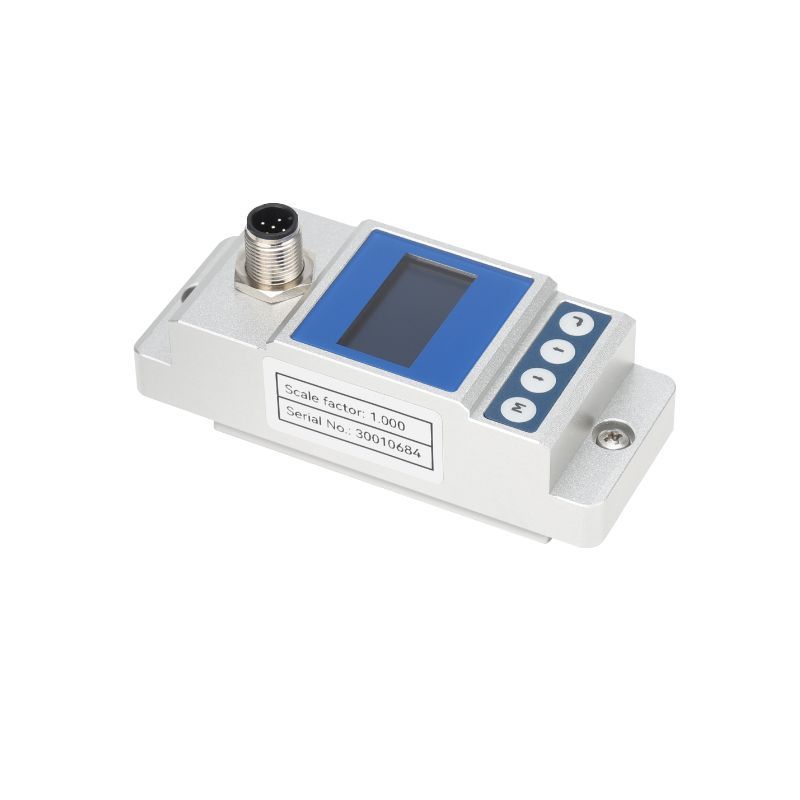
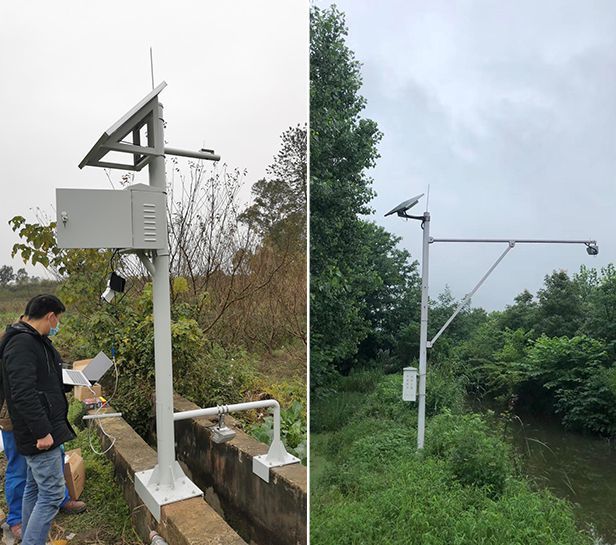
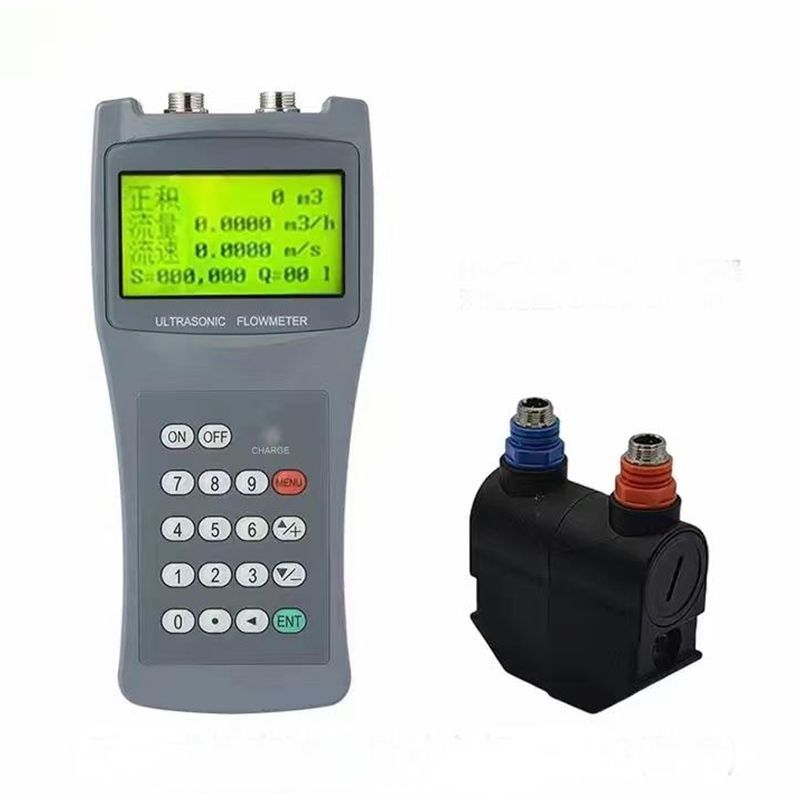
Ultrasonic flow meters use sound waves to calculate the flow of liquids in open channels. They are non-intrusive and are suitable for various applications, including stormwater management. These meters are capable of providing real-time data, which is critical for effective monitoring.
3. Applications in Stormwater Management
Ultrasonic flow meters are implemented for:
- Monitoring Stormwater Systems
- Data Collection for Flood Predictions
- Runoff Management and Control
Monitoring Stormwater Systems
Continuous monitoring aids in maintaining optimal water flow and preventing overflows.
Data Collection for Flood Predictions
Real-time data helps predict potential flooding events by analyzing flow trends.
Runoff Management and Control
Effective management of runoff through continuous flow assessments.
4. Benefits of Using Ultrasonic Flow Meters
The advantages include:
- High Accuracy
- Non-Intrusive Measurement
- Low Maintenance Costs
- Real-Time Data Analysis
High Accuracy
Ultrasonic flow meters provide precise measurements, critical for stormwater calculations.
Non-Intrusive Measurement
These meters can be installed without disrupting existing infrastructure.
Low Maintenance Costs
The durability and reliability of ultrasonic flow meters lead to reduced operational costs.
Real-Time Data Analysis
Operators benefit from immediate data feedback, facilitating swift decision-making.
5. Case Studies
Implementation of ultrasonic flow meters has proven effective:
- City X reported a 30% decrease in flooding incidents post-installation.
- Facility Y used data from ultrasonic flow meters to enhance sewage management, resulting in improved public health.
6. Comparison with Traditional Methods
| Criteria | Ultrasonic Flow Meters | Traditional Flow Meters |
|---|---|---|
| Installation | Non-Intrusive | Intrusive |
| Accuracy | High | Variable |
| Data Collection | Real-Time | Manual |
| Maintenance | Low | High |
7. Challenges in Implementation
Despite their advantages, challenges include:
- Initial Investment Cost
- Need for Technical Training
- Integration with Existing Systems
Initial Investment Cost
Upfront costs may be high, impacting budgeting decisions.
Need for Technical Training
Operators require training to effectively manage these systems for optimal use.
Integration with Existing Systems
Difficulty integrating new technology with pre-existing systems can pose challenges.
8. Conclusion
Using ultrasonic flow meters in stormwater management is essential for improving flood prevention. Their accuracy, low maintenance, and real-time data capabilities make them superior to traditional methods. As
Aug. 24, 2026
Aug. 24, 2026
Aug. 24, 2026
Aug. 24, 2026
