Using Ultrasonic Flow Meters to Monitor Large-Scale Irrigation Channels
Jan. 14, 2026
Table of Contents
1. Introduction
Monitoring large-scale irrigation channels is pivotal for effective water management and conservation. Ultrasonic flow meters are advanced devices that offer precise measurement of flow rates in these channels. By utilizing non-intrusive technology, they alleviate the pain points of conventional methods, thereby ensuring reliability and accuracy. As demand for efficient water usage increases, understanding the role of ultrasonic flow meters becomes essential for farmers and distributors alike.
2. Key Benefits of Ultrasonic Flow Meters
- High Accuracy and Precision
- Non-Intrusive Measurement
- Real-Time Data Monitoring
- Low Maintenance Requirements
- Durability and Longevity
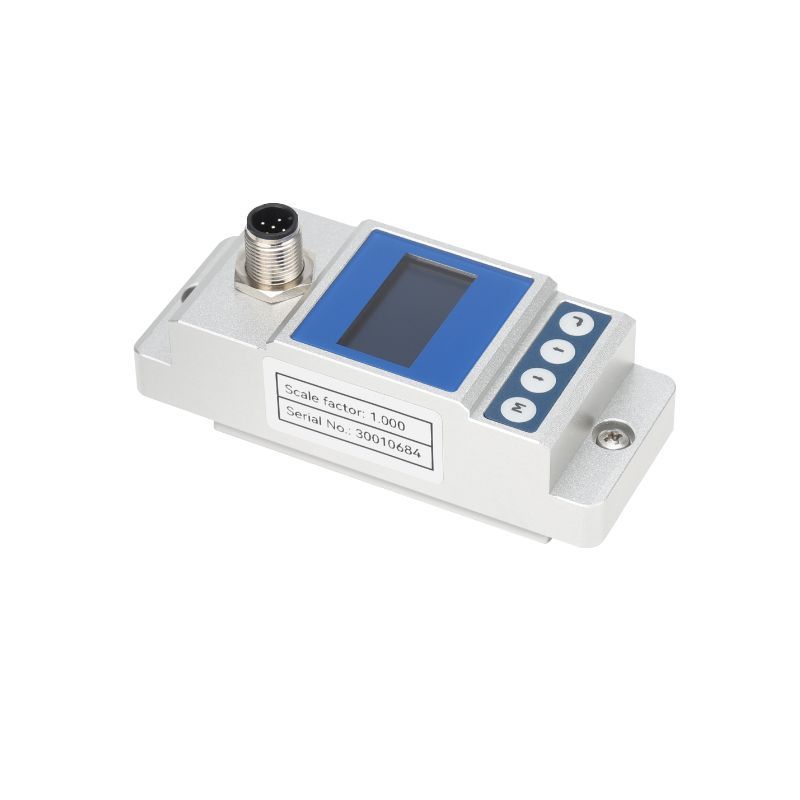
Ultrasonic flow meters, like those offered by gallopsensor, provide endless possibilities in irrigation monitoring.
High Accuracy and Precision
These devices can measure flow rates within ±1% accuracy, ensuring that farmers can manage water supplies effectively.
Non-Intrusive Measurement
With no moving parts, ultrasonic flow meters operate without affecting the fluid flow, making them ideal for sensitive irrigation systems.
Real-Time Data Monitoring
Real-time data analysis allows for immediate adjustments, enhancing water use efficiency.
Low Maintenance Requirements
These meters require minimal maintenance, reducing operational costs significantly.
Durability and Longevity
Constructed to withstand harsh conditions, ultrasonic flow meters ensure reliable performance over many years.
3. How Ultrasonic Flow Meters Work
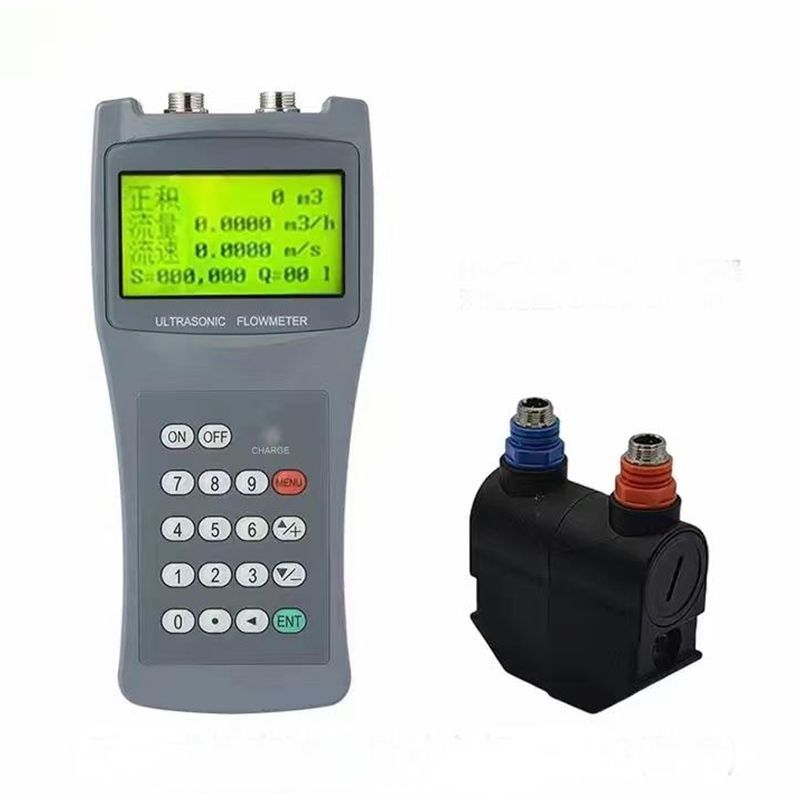
Ultrasonic flow meters work by sending ultrasonic pulses through the fluid in the irrigation channel. The time taken for these signals to travel allows for accurate measurement of flow velocity. This section highlights their measurement processes, showcasing both transit-time and Doppler methods.
Transit-Time Method
This method measures the time difference between pulses sent with and against the flow, providing an accurate flow velocity measure.
Doppler Method
For turbulent or flow with suspended particles, the Doppler method analyzes frequency shifts in ultrasonic signals caused by flow.
4. Applications in Large-Scale Irrigation
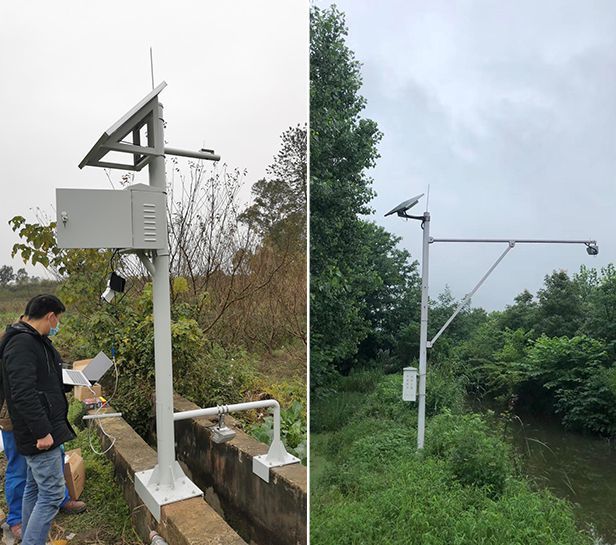
Ultrasonic flow meters have found multiple applications in agriculture, particularly in managing irrigation channels effectively.
Irrigation Management
Farmers can use these meters to measure water flow, ensuring optimal irrigation levels for crops.
Water Resource Conservation
By precisely monitoring flow rates, water waste can be minimized, leading to a more sustainable irrigation approach.
Control Systems Integration
Many flow meters can integrate with automated control systems to provide data that helps manage water supplies dynamically.
5. Cost-Effectiveness and ROI
Investing in ultrasonic flow meters can lead to significant savings through efficient water management.
Operational Savings
Operational costs are reduced due to the meters' low maintenance needs and high reliability.
Increased Crop Yields
By ensuring optimal irrigation, crop yields can increase, providing a quicker return on investment for farmers.
6. Comparison with Other Flow Meter Technologies
| Feature | Ultrasonic Flow Meters | Electromagnetic Flow Meters | Mechanical Flow Meters |
|---|---|---|---|
| Accuracy | ±1% | ±0.5% | Varies greatly |
| Maintenance | Low | Moderate | High |
| Cost | Moderate | High | Low |
| Installation | Easy | Complex | Easy |
7. Conclusion
In summary, utilizing ultrasonic flow meters for monitoring large-scale irrigation channels provides substantial benefits. Their high accuracy, non-intrusive nature, and suitability for modern farming practices make them indispensable tools for effective water management. Investing in such technology is not only good for the environment but also enhances agricultural productivity.
Understanding the working principles and multiple applications of these devices empowers farmers and distributors to make informed decisions that can lead to better irrigation practices and sustainability.
Aug. 24, 2026
Aug. 24, 2026
Aug. 24, 2026
Aug. 24, 2026
