Using Ultrasonic Open Channel Flow Meters for Real-Time Data and Automation
Mar. 23, 2026
Introduction
ultrasonic open channel flow meters solve significant challenges in measuring water flow in open channels. These advanced tools provide accurate flow measurements essential for various applications, including agriculture and wastewater treatment. However, traditional flow measurement methods can be unreliable and often require manual intervention. This is where ultrasonic open channel flow meters shine, providing reliable data with minimal maintenance. Using these devices can help streamline operations and enhance automation in your water management systems. 
Summary Answer
Ultrasonic open channel flow meters offer real-time data on water flow and help automate various processes. They ensure accurate measurements, requiring less maintenance than traditional systems.
1. Benefits of Ultrasonic Open Channel Flow Meters
1.1 Quick and Accurate Measurements
Ultrasonic flow meters utilize sound waves to measure the speed of water flow. This technology allows for rapid and precise readings, which is crucial in applications like environmental monitoring.
1.2 Low Maintenance Requirements
These meters are designed for long-term use with minimal upkeep. Since there are no moving parts, they often require less frequent servicing compared to mechanical meters.
1.3 Versatile Applications
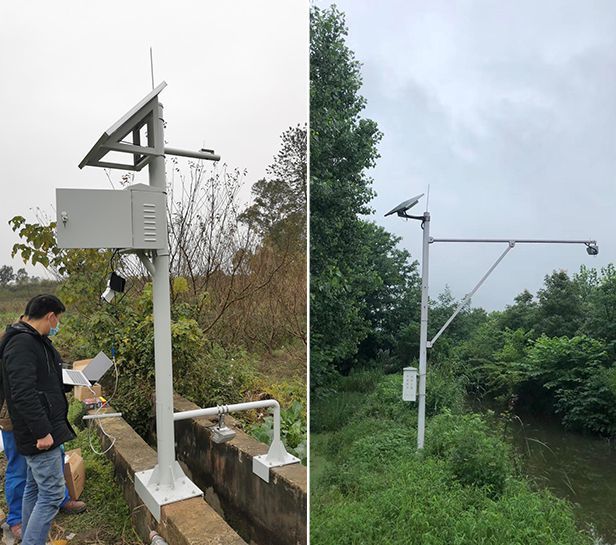
They can be used in various settings, including rivers, treatment plants, and irrigation systems. Their adaptability makes them essential for water management.
1.4 Integration with Automation Systems
Ultrasonic flow meters can easily integrate with existing automation systems. This feature allows users to monitor water flow data in real-time and adjust operations accordingly.
1.5 Cost-Effective Solutions
While the upfront cost may be higher, the long-term savings achieved through reduced maintenance and improved accuracy make them a wise investment.
1.6 Environmentally Friendly
By providing reliable data on water usage, these meters help organizations manage resources better and reduce waste, contributing to environmental sustainability.
2. How Ultrasonic Open Channel Flow Meters Work
2.1 Basic Principles of Operation
Ultrasonic flow meters measure the time it takes for sound waves to travel upstream and downstream in flowing water. The difference in these times allows for the calculation of flow rate.
2.2 Key Components
| Component | Function |
|---|---|
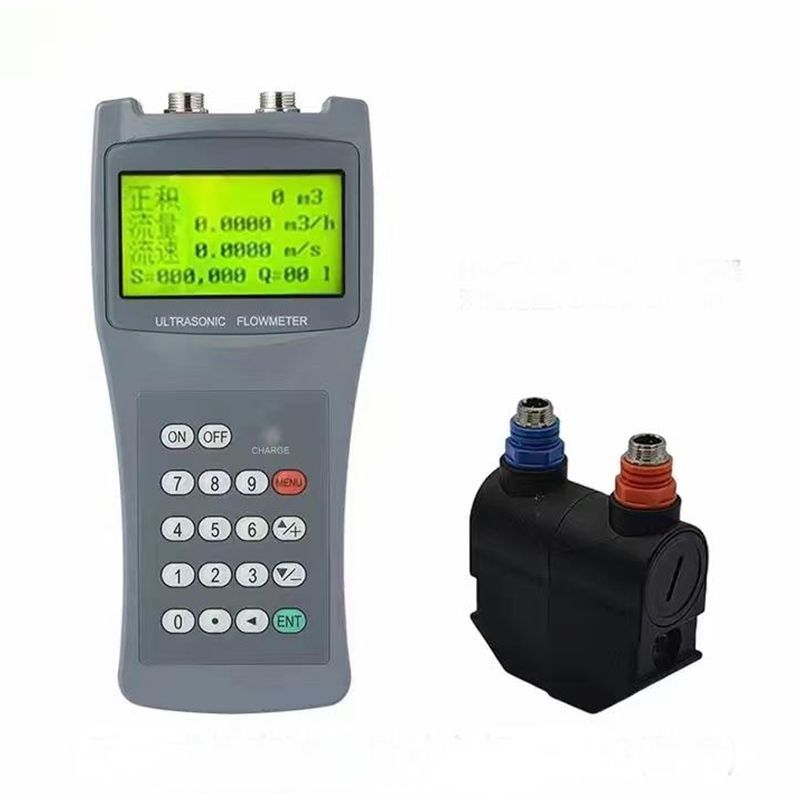
| Transducer | Generates and receives ultrasonic signals |
| Controller | Processes the signal and computes flow rate |
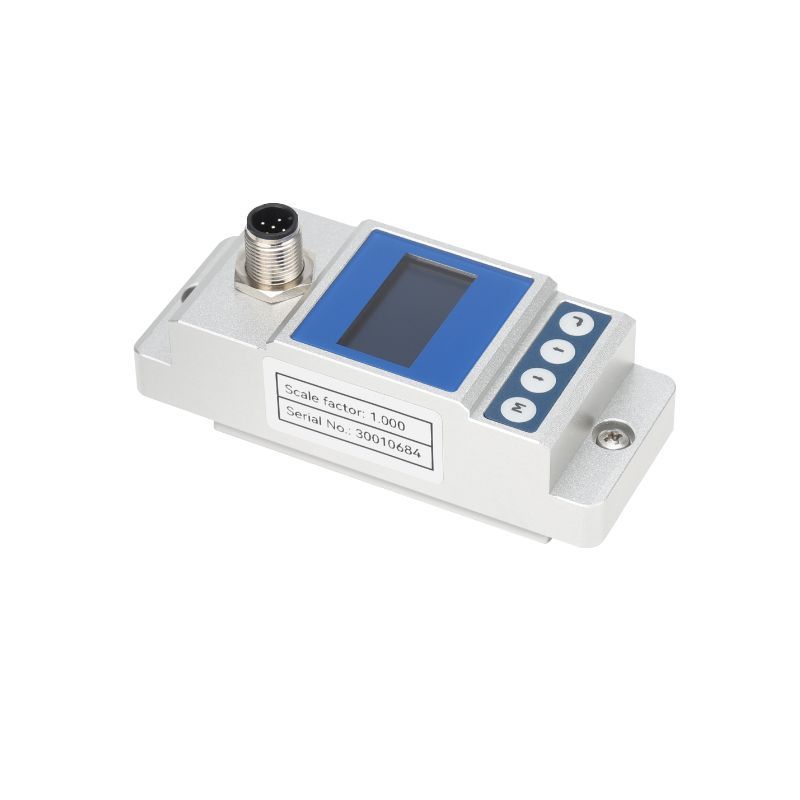
| Display Unit | Shows real-time flow data to users |
3. Installation Process for Ultrasonic Open Channel Flow Meters
3.1 Step-by-Step Installation Guide
- Choose the location for the meter, ensuring it complies with flow conditions.
- Install the transducer on the channel wall or floor, ensuring proper alignment.
- Connect the transducer to the controller unit using appropriate cables.
- Power up the device and configure the settings on the display unit.
- Calibrate the system to ensure accurate measurements.
Conclusion
Using ultrasonic open channel flow meters is beneficial for obtaining real-time data and automating processes involved in water management. These tools provide accurate measurements, require minimal maintenance, and can integrate easily into existing systems. As a result, they enhance operational efficiency and support better resource management.
FAQ
- What is the main advantage of using ultrasonic flow meters?
- They provide accurate, real-time data with low maintenance.
- How do they work?
- They measure flow by calculating the time difference of ultrasonic signals.
- Can they be used in different environments?
- Yes, they are ideal for rivers, treatment plants, and irrigation systems.
Table of Contents
Aug. 24, 2026
Aug. 24, 2026
Aug. 24, 2026
Aug. 24, 2026
