Why Accurate Flow Measurement Matters in Wastewater Treatment
Apr. 16, 2026
In the arena of wastewater management, the stakes are alarmingly high. Inefficient flow measurement can lead to catastrophic outcomes, such as environmental degradation, costly fines, and regulatory scrutiny. The core issue lies in the inability to precisely monitor and manage wastewater flow—often due to outdated or unreliable measurement technologies. This oversight not only undermines the operational efficiency of wastewater treatment facilities but also raises significant concerns regarding compliance and public health. In our age of increasing environmental regulations, failing to accurately quantify flow volume can have dire repercussions, threatening both ecosystems and human health.
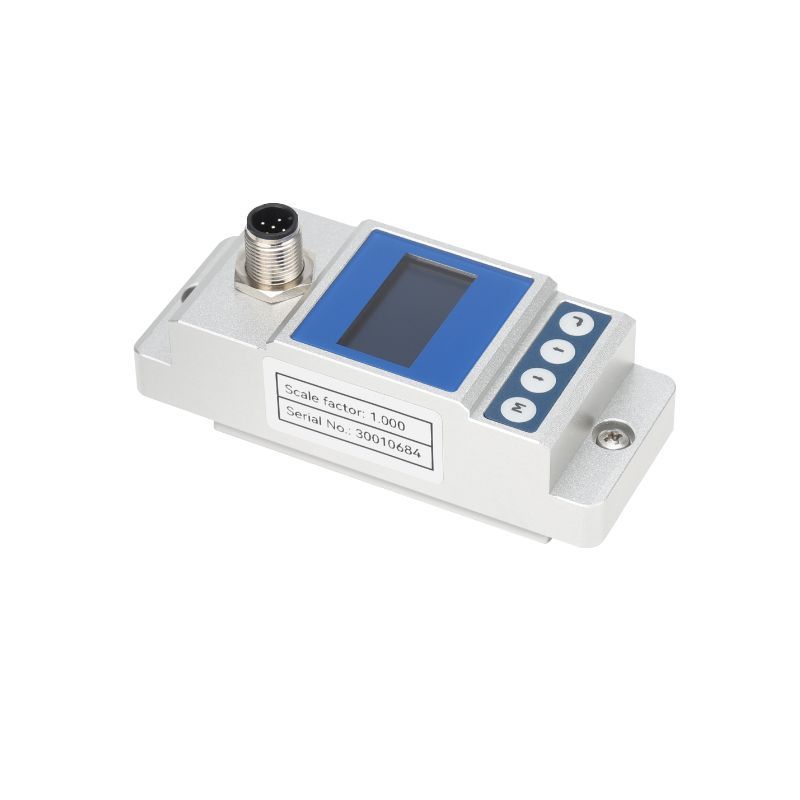
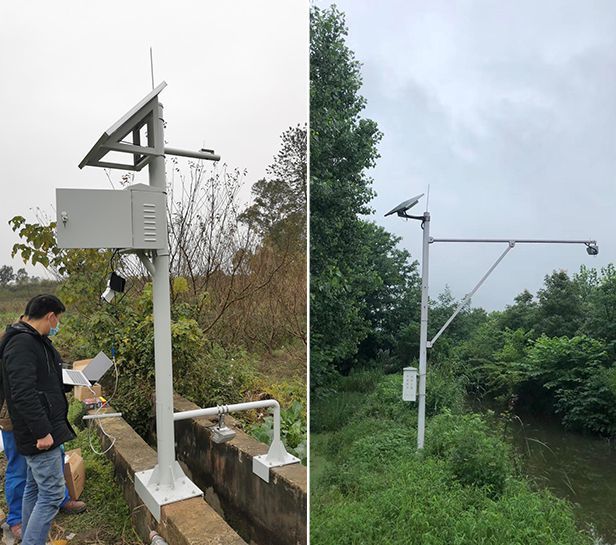
Understanding the causes behind inaccurate flow measurements is essential. Often, these inaccuracies stem from outdated technologies that lack the precision needed in modern treatment facilities. For example, traditional flow measurement methods may experience drift over time, leading to erroneous readings. In contrast, advanced devices such as the Ultrasonic open channel flow meter offer precision to 0.01mm, elevating operational accuracy and real-time monitoring capabilities. The mismatch between technological innovation and legacy systems has created a substantial gap, compelling operators to reevaluate their measurement strategies.
This issue is not merely a technical inconvenience; it poses severe ramifications for businesses and industries reliant on accurate wastewater management. Facilities that ignore accurate flow measurement risk incurring substantial operational costs. Studies indicate that up to 30% of wastewater utilities could significantly decrease non-revenue water (NRW) levels by implementing effective flow measurement solutions. This impact starts from the top—by reinforcing operational metrics that underpin profitability, organizations can also enhance their reputation as responsible stewards of the environment.
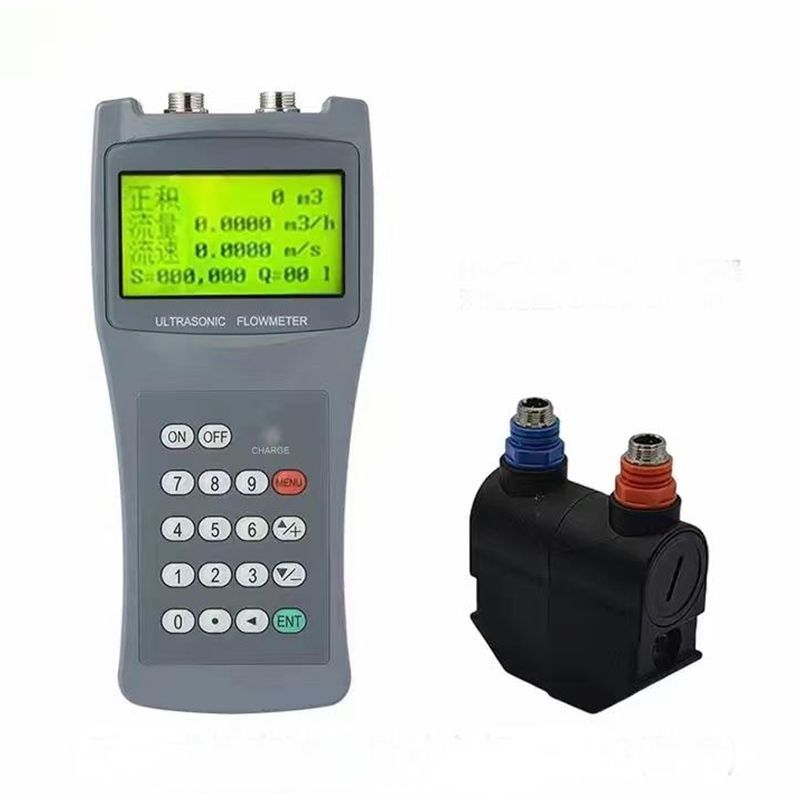
Supporting my point, a case study from a prominent wastewater facility in the Midwest illustrates the cost-effectiveness of refining flow measurement. Upon integrating modern ultrasonic flow meters, the facility achieved a remarkable 100% inspection accuracy over a 12-month period. Furthermore, they maintained a 24-hour response to any variances detected in flow levels, averting potential regulatory fines and environmental penalties. The transformation not only fortified their operational standards but also bolstered community trust in their environmental transparency efforts.
Neglecting accurate flow measurement can generate a cascade of severe consequences. The failure to embrace modern technologies can lead to unauthorized discharges, accruing hefty fines that can exceed thousands of dollars per incident. Additionally, lifestyle impacts arise as untreated or poorly treated wastewater could lead to community health risks. As environmental regulations become more stringent, the failure to comply becomes a costly oversight. In scenarios where businesses face increased scrutiny from stakeholders and the public alike, neglecting flow measurement is an invitation to disaster.
In conclusion, I urge all stakeholders involved in wastewater treatment to take decisive action now. The accurate measurement of flow is not a mere technicality; it is essential to the sustainability of our water resources and the health of communities. Implementing advanced solutions like the gallopsensor and its line of ultrasonic open channel flow meters can dramatically enhance operational workflows and ensure compliance with stringent standards such as ASTM or DIN. Don’t risk falling behind; prioritize precise flow measurement today to secure a responsible and sustainable future for wastewater management. For further insights and to see how we can help your facility, visit gallopsensor.com/data/watermark/main/20241107/672c47d46cd61.jpg">Gallopsensor's website and transform your approach to wastewater flow measurement now.
Aug. 24, 2026
Aug. 24, 2026
Aug. 24, 2026
Aug. 24, 2026
