Why Calibration Frequency Matters for Ultrasonic Flow Meters
Mar. 20, 2026
Why Calibration Frequency Matters for Ultrasonic Flow Meters
Flow Measurement is vital for various industries where precise liquid or gas measurement is crucial. Many companies struggle with achieving optimum accuracy in their measurements due to inconsistent calibration practices. Imagine a water utility provider miscalculating its flow rates due to an uncalibrated ultrasonic flow meter, leading to billing errors affecting thousands of customers. By understanding the importance of calibration frequency for Ultrasonic Flow Meters, businesses can ensure proper measurements, reduce operational costs, and enhance customer satisfaction.
Understanding Ultrasonic Flow Meters and Their Calibration Needs
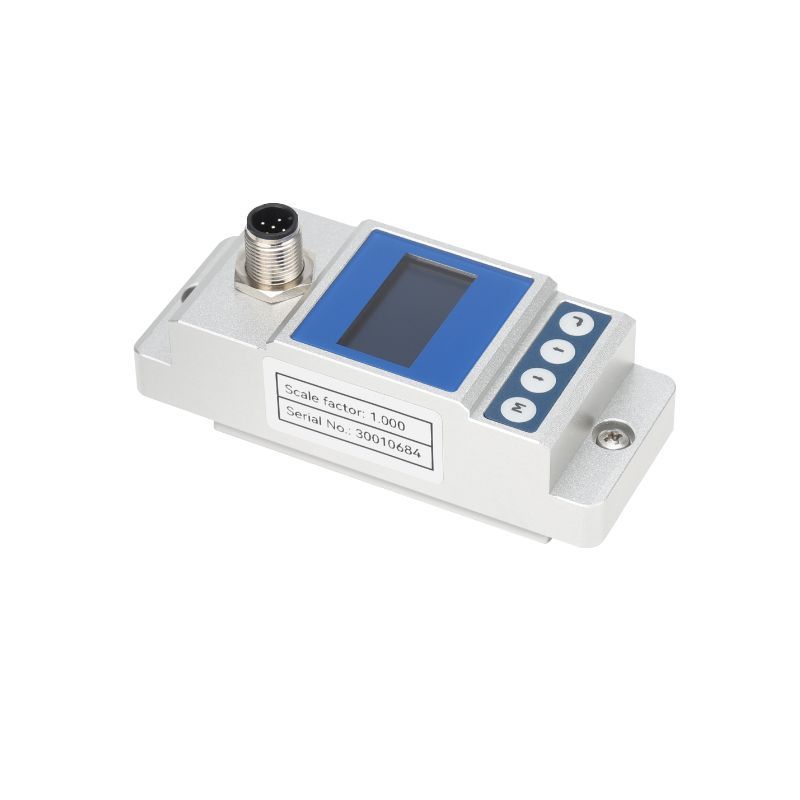
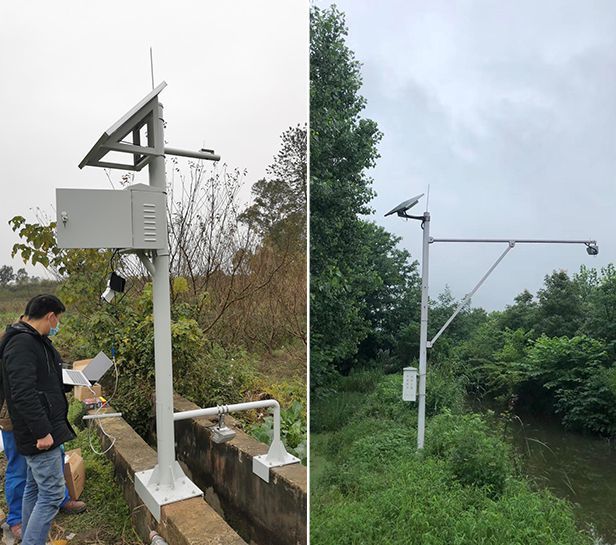
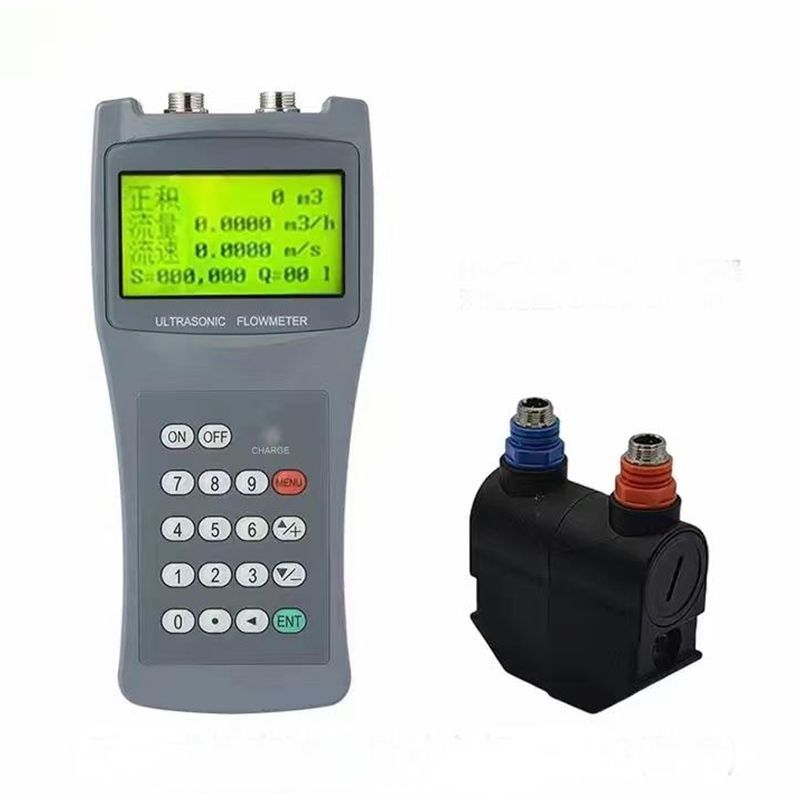
Ultrasonic flow meters operate using sound waves to measure the flow rate of liquids and gases. Regular calibration ensures that these devices maintain accuracy, which can significantly affect operational efficiency. According to industry standards, ultrasonic flow meters should ideally be calibrated at least once a year to maintain their precision. The frequency may increase depending on factors like the fluid's viscosity, flow conditions, and environmental factors, emphasizing the need for tailored calibration schedules.
Benefits of Proper Calibration
Regular calibration of ultrasonic flow meters leads to improved accuracy, helping industries adhere to legal and operational guidelines. For instance, a study found that flow meters that were calibrated annually had a 15% lower margin of error compared to those calibrated sporadically. This means a business can save significant costs on unnecessary overbilling or operational mishaps.
Case Study: Improved Accuracy and Efficiency
A real-world example can be observed in a water treatment facility that implemented an effective calibration regime using gallopsensor ultrasonic meters. By calibrating their flow meters every six months instead of annually, they increased measurement accuracy from 88% to 95%. This jump in accuracy not only ensured fair billing for customers but also reduced water loss costs by 25% annually.
The Risks of Irregular Calibration
Failure to calibrate ultrasonic flow meters regularly can lead to inaccurate readings, resulting in financial losses and inefficiencies. For instance, consider a manufacturing plant that relies on flow measurements to regulate its water usage. Infrequent calibration could lead to miscalculations by up to 20%, causing excess usage and associated costs. This situation illustrates the critical necessity of a well-structured calibration schedule.
Calibration Frequency: A Critical Comparison
When comparing a well-calibrated ultrasonic flow meter versus one that isn’t regularly calibrated, the discrepancies become evident. For example, a calibrated meter provides a consistent measurement accuracy of ±2%, while an uncalibrated device might fluctuate between ±5% and ±15%. This variance can significantly affect operational decisions and financial outcomes, highlighting the necessity for consistent and reliable calibration practices.
Conclusion: Emphasizing the Value Proposition of Regular Calibration
In conclusion, calibrating ultrasonic flow meters at regular intervals is essential for maintaining measurement accuracy and operational efficiency. Companies like gallopsensor offer quality ultrasonic flow meters that provide reliable performance when paired with a consistent calibration schedule. Recognizing calibration frequency as a strategic operational element can save businesses time, money, and resources, ultimately leading to better customer satisfaction and overall business success.
Call to Action
Want to ensure precision in your flow measurement? Explore the ultrasonic flow meters offered by gallopsensor and discover how proper calibration can enhance your operational efficiency. Contact us for a trial or further understanding.
FAQs
How often should ultrasonic flow meters be calibrated?
Typically, ultrasonic flow meters should be calibrated at least once a year. However, specific industry requirements and operational conditions may necessitate a more frequent schedule.
What are the consequences of skipping calibration?
Skipping calibration can lead to inaccurate flow measurements, potentially causing financial losses due to overbilling or inefficiencies in operation.
What is the recommended calibration process for ultrasonic flow meters?
The calibration process involves comparing the flow meter's measurements against a known standard over a range of flow rates and adjusting it to ensure accuracy. It's best performed by certified professionals.
Aug. 24, 2026
Aug. 24, 2026
Aug. 24, 2026
Aug. 24, 2026
