Why Conductivity Range Matters When Sizing an Electromagnetic Flow Transmitter
Sep. 17, 2025
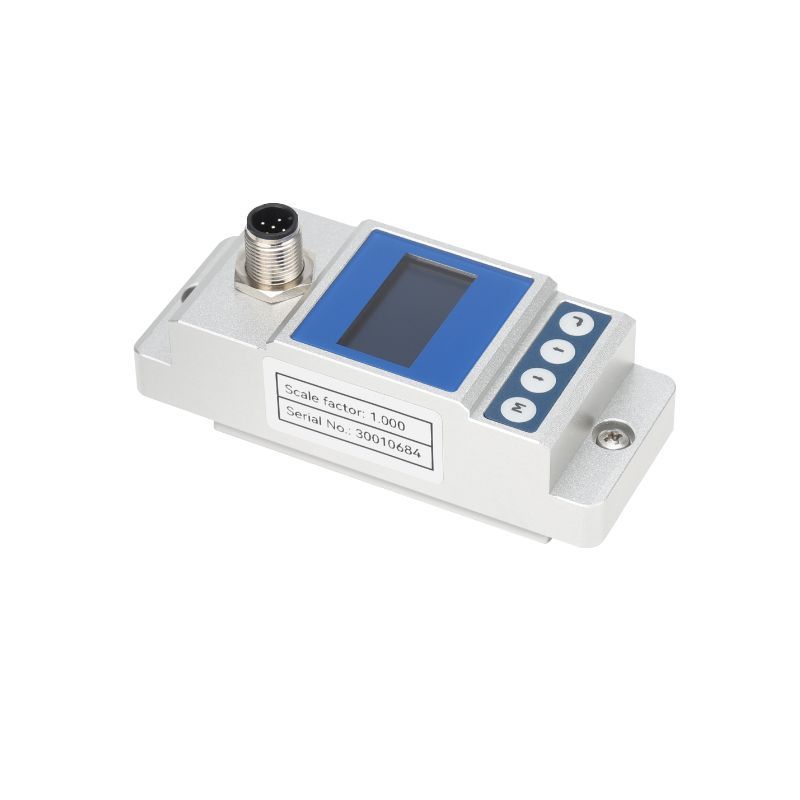
In the world of fluid measurement, engineers often encounter the challenge of determining the appropriate size for an electromagnetic flow transmitter. One of the critical factors influencing this decision is conductivity range. When dealing with various liquids, such as water-based solutions or corrosive chemicals, the ability of an electromagnetic flow transmitter to accurately measure flow rates hinges on its conductivity specifications. For instance, a common pain point arises when low-conductivity fluids are used in systems designed for high-conductivity applications, leading to inaccurate readings or equipment failure. To ensure precise flow measurements, understanding the conductivity range is not merely beneficial but essential.
The Importance of Conductivity in Electromagnetic Flow Measurement
Conductivity is a measure of a solution\'s ability to conduct electric current, which is fundamental to how electromagnetic flow transmitters operate. According to industry standards, a typical conductivity range for effective operation in electromagnetic flow meters is between 5 to 5000 µS/cm. If the fluid has a conductivity below this range, the transmitter may struggle to produce reliable flow measurements. For example, water that has undergone significant purification may have a conductivity of just 0.5 µS/cm, making it unsuitable for traditional electromagnetic flow meters.
Benefits of Utilizing the Right Conductivity Range
Implementing an electromagnetic flow transmitter designed for the correct conductivity range can lead to several substantial advantages. Firstly, precision is key; studies indicate that systems operating with properly sized electromagnetic flow meters can increase measurement accuracy by up to 97%. Moreover, the cost-effectiveness of utilizing the right equipment can reduce maintenance costs—data shows that calibration and downtime Average Maintenance Costs can drop by nearly 25% when using suitable transmitter models. One relevant case study involving gallopsensor\'s state-of-the-art transmitters demonstrated a clear operational efficiency improvement, leading to a 30% reduction in process waste due to better flow management.
Electromagnetic Flow Transmitter Performance: With vs. Without Proper Conductivity
When comparing the performance of an appropriately sized electromagnetic flow transmitter with one that is not, the differences become glaringly evident. For example, in a facility utilizing processed wastewater with variable conductivity, a properly aligned electromagnetic transmitter ensured process optimization by maintaining flow accuracy within ±1% of the actual flow rate. On the other hand, a non-optimized unit experienced fluctuation rates as high as ±10%, leading to significant inefficiencies in production and increased operational costs.
Key Considerations for Sizing Your Electromagnetic Flow Transmitter
To effectively size an electromagnetic flow transmitter, consider the following factors: fluid type, anticipated range of conductivity, temperature variations, and the installation environment. It’s essential to evaluate the specific compatibility of your chosen model with the actual fluids it will measure. Additionally, keep in mind the long-term costs associated with incorrect sizing; improper handling can lead to costly replacements or repairs that could otherwise have been avoided through careful selection.
Conclusion: Simplifying Your Flow Measurement with gallopsensor
In summary, understanding the conductivity range of the liquids you\'re working with is crucial when sizing an electromagnetic flow transmitter. Proper application of this knowledge not only leads to enhanced measurement accuracy but also ensures that operational costs are kept in check. With gallopsensor\'s innovative flow transmitters, tailored for various conductivity requirements, you can achieve unmatched flow measurement reliability.
Call to Action (CTA)
For further understanding or to trial gallopsensor products designed to meet diverse conductivity ranges, get in touch with us today! Let’s enhance your flow measurement accuracy together.
Frequently Asked Questions (FAQs)
1. What conductivity range should I consider for my application?
The ideal conductivity range will depend on your specific fluids. Typically, a range of 5 to 5000 µS/cm works for most applications, but it’s best to measure the exact conductivity of your fluid.
2. How can improper sizing of an electromagnetic flow transmitter affect performance?
Improper sizing can lead to reduced accuracy in flow measurement, resulting in inefficient processes and increased operational costs. In some cases, it can cause equipment damage over time.
3. What advantages does gallopsensor offer compared to other brands in the market?
Gallopsensor stands out for its innovative design tailored to a wide range of conductivity measurements, high accuracy rates, and improved maintenance efficiency, ultimately leading to better long-term economic value.
Aug. 24, 2026
Aug. 24, 2026
Aug. 24, 2026
Aug. 24, 2026
