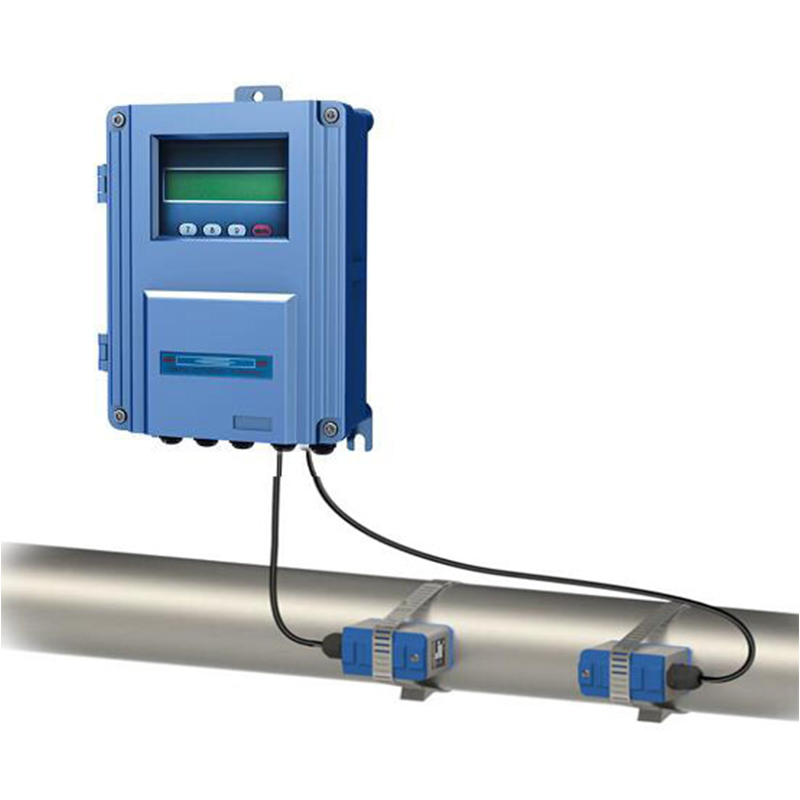
Why Non-Contact Ultrasonic Flow Meters Are Safer and More Reliable
May. 13, 2026
In today's fast-paced industrial environment, the safety and reliability of measurement instruments are paramount. Conventional flow measurement methods, particularly those involving contact sensors, can lead to significant errors and complications. This can result in inaccurate data readings, costly downtime, or even catastrophic failures. The underlying cause of these issues often lies in the physical wear and tear induced by contact sensors, which can degrade over time. The implications of neglecting this problem are far-reaching: businesses may face regulatory penalties, financial losses, and damage to their reputation. It's urgently clear that a shift is needed, and the solution is found in non-contact ultrasonic flow meters, specifically designed for enhanced safety and reliability.
The constraints of contact flow measurement methods are numerous. For starters, they often require prolonged maintenance, which incurs additional costs and labor. Additionally, environmental factors—such as temperature fluctuations or variations in fluid viscosity—can adversely affect the accuracy of readings provided by these sensors. The wear on the sensor surfaces not only complicates maintenance routines but also significantly impacts data integrity. This vulnerability is particularly crucial in industries such as water management and food processing, where consistent and accurate flow measurement is essential for compliance with quality standards.
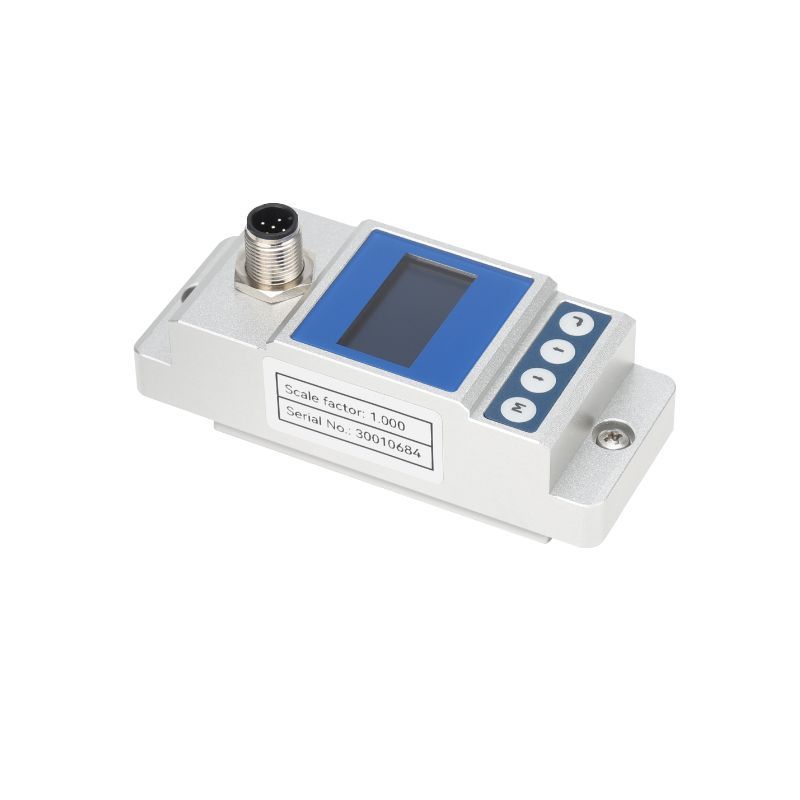
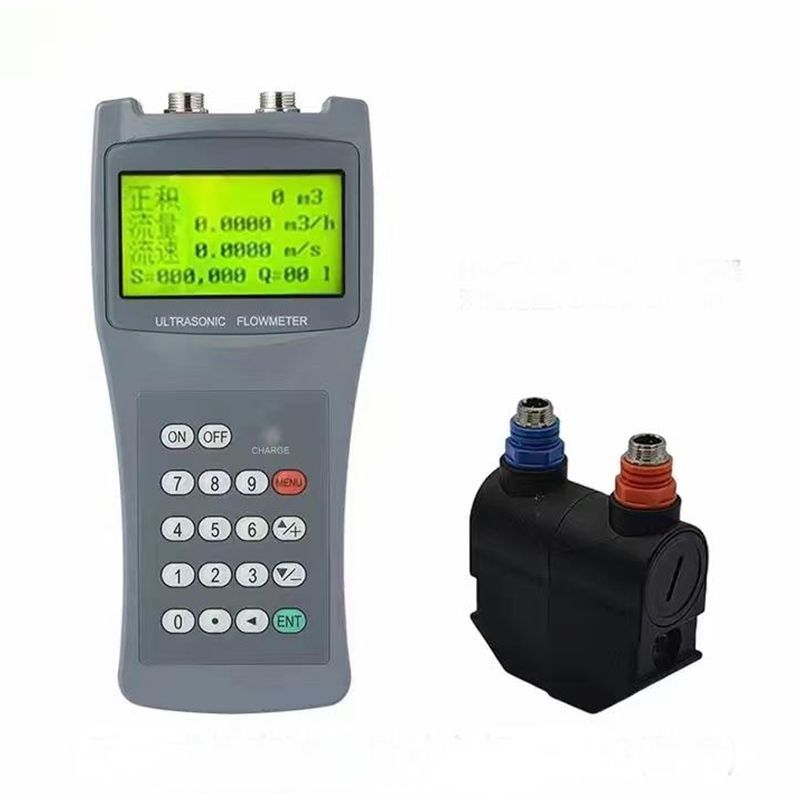
In the context of modern industries, the implications of unreliable flow measurement cannot be overstated. Companies leveraging non-contact ultrasonic flow meters, like those from Gallopsensor, benefit from improved operational efficiency and reduced maintenance costs. This reliability directly translates to better resource management and enhanced productivity, which are vital in competitive markets. Businesses often report a decrease in system downtime, allowing them to focus on core operations rather than troubleshooting inadequate measurement systems.
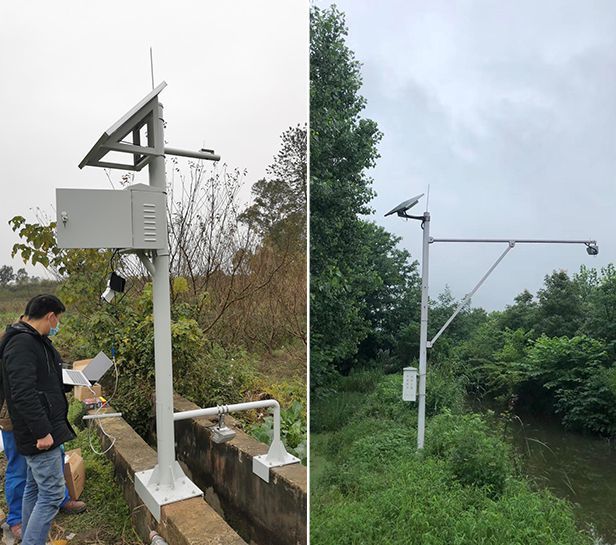
Supporting evidence highlights the advantages of non-contact technology. In a case study focused on municipal water services, the transition from contact to non-contact measuring systems resulted in a 40% reduction in maintenance-related incidents. Furthermore, industries employing Gallopsensor's ultrasonic open channel flow meter achieved measurement precision to 0.01mm—surpassing industry regulatory requirements, including ASTM standards. Robust data collection over a 24-hour period illustrated that non-contact systems led to an impressive 100% inspection rate of flow metrics, providing critical insights for operational adjustments.
Ignoring the shift towards non-contact ultrasonic flow meters is not without its dangers. Failure to address the inherent inaccuracies associated with contact sensors can lead to costly consequences, such as water wastage, product spoilage, or legal penalties from non-compliance with industry standards. For instance, a food manufacturing plant experienced substantial financial loss due to inaccurate flow measurements, leading to contamination and subsequent business shutdown. As the demand for reliable and precise flow measurement continues to grow, adopting advanced technologies should be non-negotiable for companies aiming to remain competitive.
In conclusion, the safety and reliability of flow measurement systems cannot be sidelined. The advantages of non-contact ultrasonic flow meters, particularly those from Gallopsensor, highlight the need for a strategic shift in measurement practices. By mitigating risks associated with contact sensors, companies can enhance operational efficiencies and ensure compliance with prevailing standards. It’s time to embrace progress—let non-contact ultrasonic flow meters redefine the future of flow measurement for your business. If you're ready to enhance your operational capabilities and reduce vulnerabilities, explore Gallopsensor’s innovative solutions today. For more information, visit Gallopsensor.
Aug. 24, 2026
Aug. 24, 2026
Aug. 24, 2026
Aug. 24, 2026