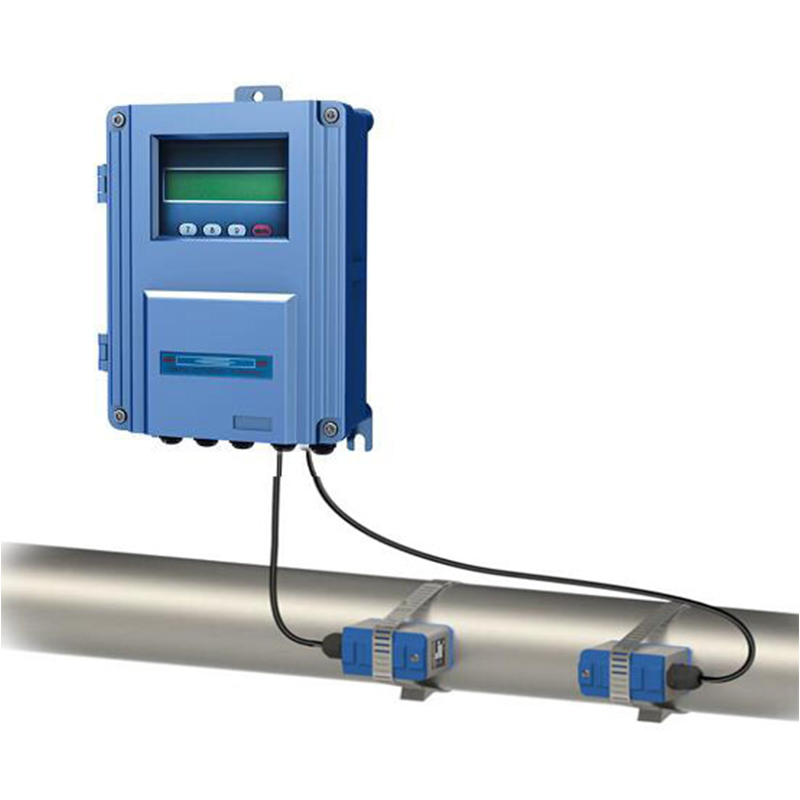
Why Sensor Placement Is Critical for Accurate Flow Measurement
May. 11, 2026
In the world of flow measurement, precision is everything. But how often do we stop to consider that a seemingly minor oversight, such as sensor placement, can lead to significant inaccuracies? This problem is far more prevalent than one might think, particularly in industries where accurate data collection is paramount, such as wastewater management and industrial processes. The implications of improper sensor placement extend beyond erroneous readings; they can cascade into larger operational inefficiencies, increased costs, and compromised product quality. Ignoring this critical aspect could mean not just data inaccuracies, but also financial losses and long-term damage to a company’s reputation.
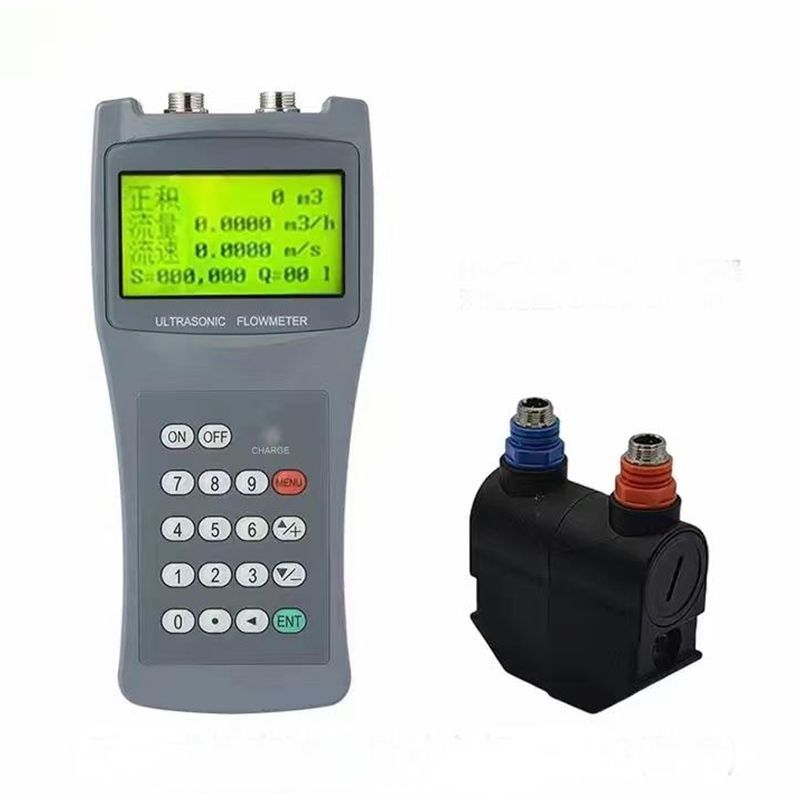
To understand the roots of this issue, we must delve into the technicalities that dictate flow sensor functionality. Each type of sensor, including ultrasonic open channel flow meters like those offered by GallopSensor, requires meticulous positioning to ensure optimal readings. Factors such as flow profile turbulence, channel geometry, and sensor alignment play vital roles in determining measurement accuracy. For instance, placing an ultrasonic sensor too close to the channel wall can lead to skewed data due to interference from boundary layers. Furthermore, environmental variables such as temperature fluctuations and solid particulates in the fluid can exacerbate these inaccuracies if not taken into account during placement.
The repercussions of improper sensor placement are alarming, particularly in an industry where timely and precise data is essential for decision-making. Companies that rely on accurate flow measurements may face deteriorating operational efficiency and elevated costs due to waste management issues, compliance failures, and legal liabilities. For example, a manufacturing facility that utilizes flow measurement data to optimize production schedules and resource allocations can find itself struggling with unanticipated downtimes or excess waste, undermining their operational objectives. Realizing how sensor placement directly affects both financial and operational performance highlights its importance across industries, from oil and gas to municipal wastewater management facilities.
In addressing this concern, case studies illustrate the tangible impacts of proper sensor placement. A case involving a municipal water treatment plant showcased that, by refining the sensor placement protocol, the facility achieved a 25% increase in measurement accuracy, which in turn improved their compliance to local environmental regulations. Data showed that this change led to a $50,000 reduction in annual operating costs due to minimized monitoring errors and optimally timed maintenance schedules. Such examples underscore not only the necessity of careful sensor placement but also the economic advantages of investing in robust calibration and installation practices.
Neglecting optimal sensor placement can lead to a wide range of consequences that many organizations may not anticipate at first glance. The cascade effect of inaccurate flow measurements could result in over-billing customers, increased maintenance costs, and potential legal actions from regulatory non-compliance. Additionally, changes in business interests — such as scaling operations or responding to market needs — can further complicate matters. For instance, as the demand for more reliable measurement technology increases across the sector, the impact of neglecting sensor placement issues becomes amplified.
As we shift our focus back to the urgency of the matter, I encourage you to assess your current flow measurement strategies. Are you relying on a sensor placement protocol that may be costing you money or introducing risks into your operations? Given the precision requirements of flow measurement, even the slightest miscalibration can greatly influence results. By prioritizing an evaluation of your installation practices and aligning them with industry standards (such as ASTM, DIN), you can greatly enhance accuracy in your flow measurement systems.
It is time to recognize that sensor placement is more than a technical consideration; it is a foundational aspect that drives the success of efficient and compliant operations. As you move forward, consider how strategic sensor placement could drastically alter your operational effectiveness and financial trajectory. Don't wait for the discrepancies in flow measurement to impact your business — take action now to ensure that your sensor placement is as precise as your data demands. Visit GallopSensor to learn more about how our solutions can help you achieve accurate flow measurement and optimized operations.
Aug. 24, 2026
Aug. 24, 2026
Aug. 24, 2026
Aug. 24, 2026