Why Ultrasonic Flow Meters Are Preferred for Open Channel Monitoring
Apr. 02, 2026
In today’s industrial landscape, accurate flow measurement is critical, especially in sectors relying heavily on liquid management like wastewater treatment and irrigation. Unfortunately, many facilities struggle with traditional flow measurement techniques, leading to inconsistent data, inefficiencies, and compliance issues. The inherent challenges of open channel flow monitoring—including environmental variations, sediment buildup, and equipment wear—pose serious consequences. Neglecting these monitoring problems can lead to costly errors, regulatory fines, and operational shutdowns. Understanding and addressing flow measurement challenges are not just technical necessities; they are urgent issues that can define the sustainability and efficiency of an entire operation.
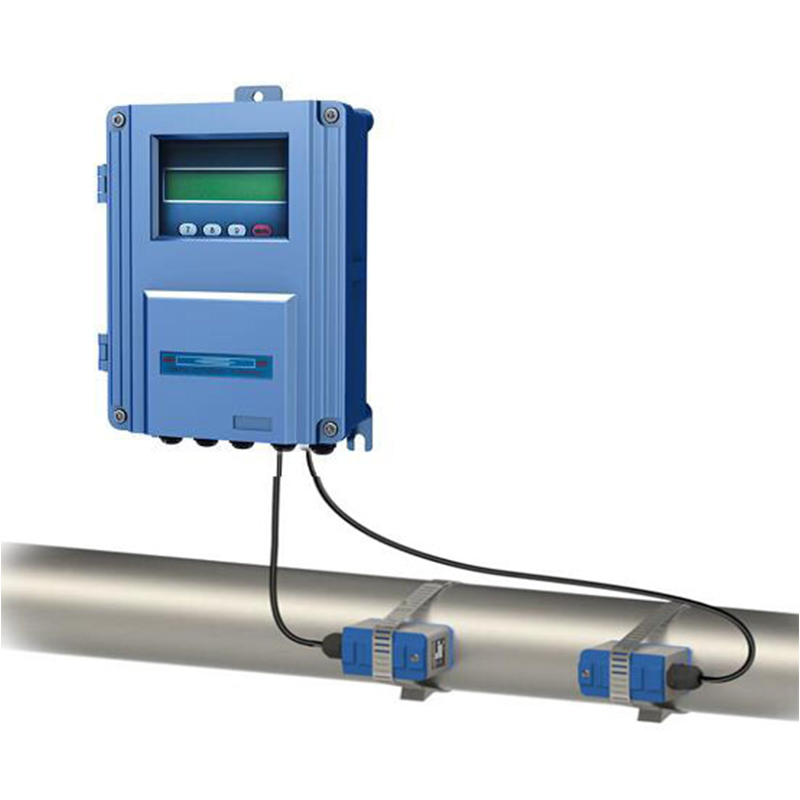
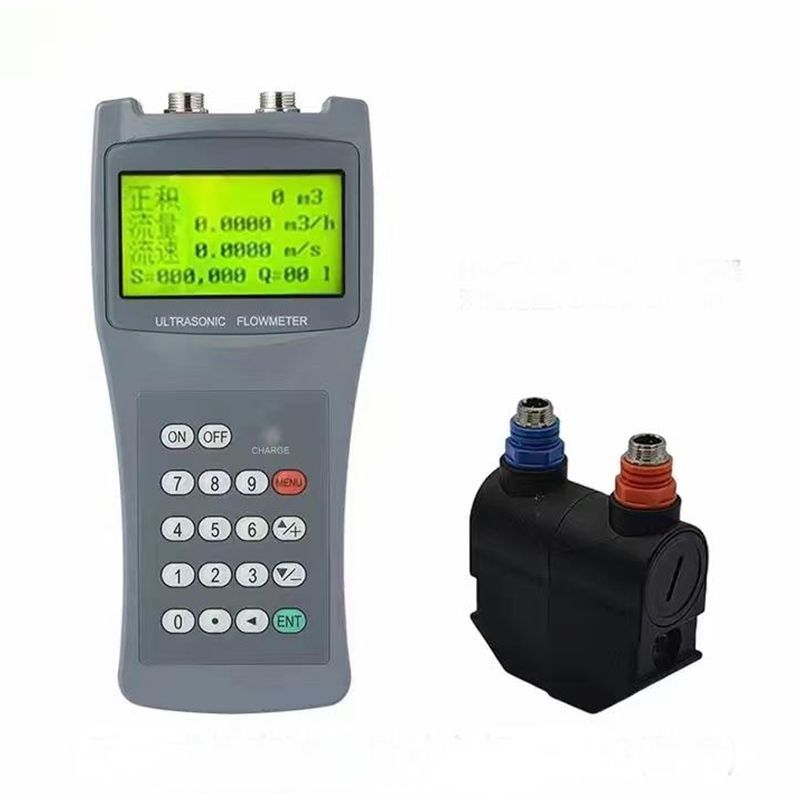
Open channel flow measurement can be compromised by several factors, including environmental fluctuations and the choice of equipment. For instance, with fluctuating water levels, conventional flow meters often struggle to provide accurate readings, leading to anomalies in performance data. Additionally, sediment accumulation can obstruct traditional measuring devices, rendering them unreliable. In contrast, ultrasonic flow meters stand out due to their non-intrusive measurement approach, using ultrasonic waves to gauge velocity and water level without being affected by such physical barriers. This methodological advantage highlights the need for facilities to reassess their measurement strategies.
The consequences of these technical challenges in flow measurement are far-reaching, affecting entire sectors. For companies that handle wastewater, each miscalculation can result in significant financial penalties stemming from non-compliance with environmental regulations. In agricultural endeavors, inaccurate flow data can lead to over- or under-irrigation, wasting valuable resources and affecting crop yields. With the global emphasis on precision agriculture and water conservation, embracing effective flow measurement solutions is no longer optional; it’s a critical business imperative.
To exemplify the benefits of accurate flow measurement, consider a case study involving a municipal wastewater facility. After upgrading to ultrasonic open channel flow meters, the facility reported an astounding 25% reduction in regulatory compliance violations within the first year. This improvement was driven by the meters' ability to deliver precise data within ±0.01 mm accuracy and facilitate real-time monitoring and reporting. The increase in operational efficiency directly translated into cost savings and a stronger environmental stewardship stance for the municipality.
However, ignoring the transition to reliable flow measurement methods like ultrasonic meters can result in dire consequences. Facilities that continue to employ outdated or unreliable measuring technologies face heightened risks of inaccurate data, leading to potential environmental violations, waste of resources, and ultimately, diminished reputation. For an industry where trust and compliance are paramount, the risks associated with outmoded technologies are not worth taking.
In closing, the adoption of ultrasonic flow meters for open channel monitoring is not merely advantageous; it’s essential for the sustainability of operations across numerous industries. By embracing this technology, I urge businesses to prioritize accurate flow measurement to enhance operational efficiency, ensure compliance, and safeguard resources. If your facility is still relying on older measuring technologies, it’s time to consider upgrading to ultrasonic technologies like those offered by Gallopsensor. Elevate your monitoring capabilities today by visiting Gallopsensor and experience the precision and reliability that ultrasonic flow meters bring to open channel monitoring.
Key Benefits of Ultrasonic Flow Meters:
- Non-invasive measurements reduce maintenance needs and operational downtimes.
- Enhanced accuracy leads to reliable data and improved compliance.
- Advanced technology minimizes the effects of environmental fluctuations on flow measurement.
With the implications of accurate flow measurement so profound, now is the time to make the switch.
Aug. 24, 2026
Aug. 24, 2026
Aug. 24, 2026
Aug. 24, 2026