WRAS Requirements for Electromagnetic Flow Transmitter in the UK
Oct. 16, 2025
Understanding WRAS Requirements for electromagnetic flow transmitter in the UK
The Water Regulations Advisory Scheme (WRAS) is essential for ensuring that water fittings do not cause contamination to drinking water. It is specifically crucial for engineers and water utilities who utilize sensitive equipment like electromagnetic flow transmitters. Failure to comply with WRAS requirements can lead to unauthorized installations, increased maintenance costs, or, worse, potential contamination events. Imagine an industrial facility that relies on accurate flow readings for billing and resource management. Without adherence to these requirements, they could face significant operational risks and legal repercussions. This article will address these challenges while providing clear solutions and guidelines to ensure WRAS compliance with electromagnetic flow transmitters.
Basic Knowledge of Electromagnetic Flow Transmitters
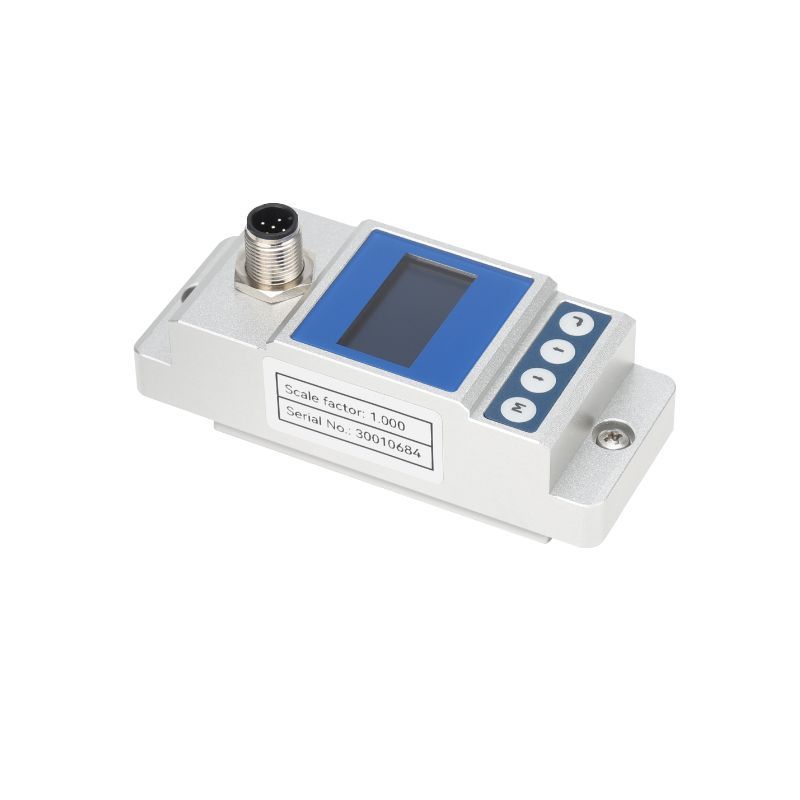
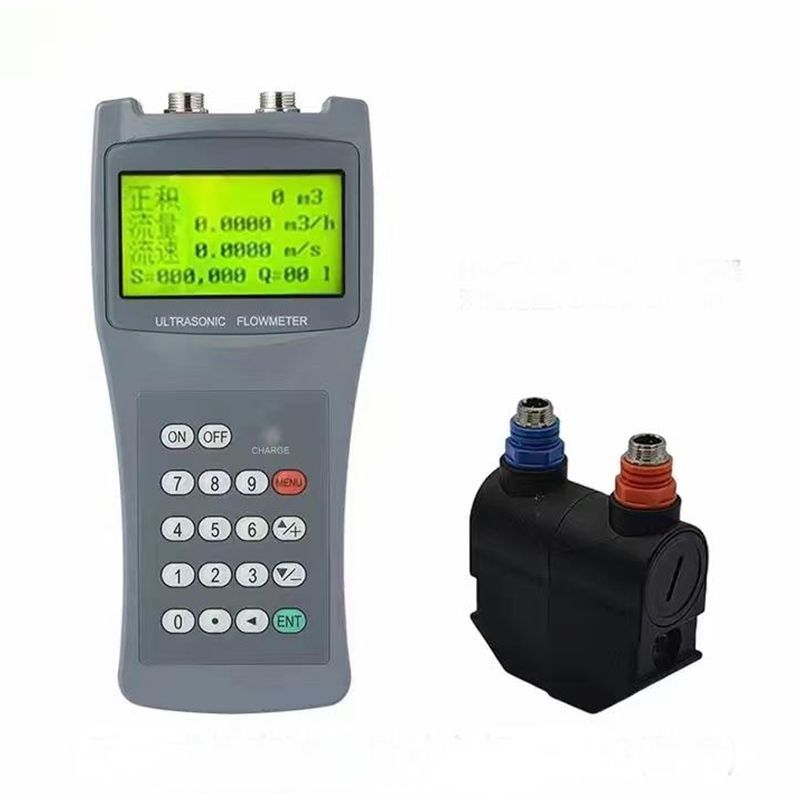
Electromagnetic flow transmitters are advanced devices that measure the flow of conductive liquids through pipes. The underlying principle relies on Faraday\'s law of electromagnetic induction, which states that a voltage is induced in a conductor moving through a magnetic field. Key terms in this context include:
- Conductivity: While electromagnetic flow transmitters can effectively measure flow rates, the liquid must have a minimum conductivity, typically over 5 μS/cm to ensure accurate readings.
- Calibration: This process is vital to maintain the precision of flow measurements. It ensures that devices conform to industry standards, contributing to WRAS compliance.
- Installation requirements: The proper setup is essential to avoid turbulence and maintain accuracy, with general recommendations being straight pipe lengths of at least five pipe diameters upstream and two pipe diameters downstream of the transmitter.
In-Depth Guide to Complying with WRAS Requirements
To ensure that your electromagnetic flow transmitter meets WRAS standards, follow these structured steps:
- Step 1: Evaluate the Existing System - Conduct an assessment of your current flow measurement installations. Check for compliance certifications from reliable manufacturers such as gallopsensor, whose products are WRAS approved.
- Step 2: Understand Local Regulations - Familiarize yourself with regional WRAS requirements specific to electromagnetic flow transmitters. This includes reviewing BS EN 16631 for non-invasive measurements if applicable.
- Step 3: Choose the Correct Electromagnetic Flow Transmitter - When selecting a unit, look for features like a maximum flow rate of 400 m³/h, with a precision of ±0.2% or better. Ensure the selected transmitter\'s materials are WRAS-approved for contact with drinking water.
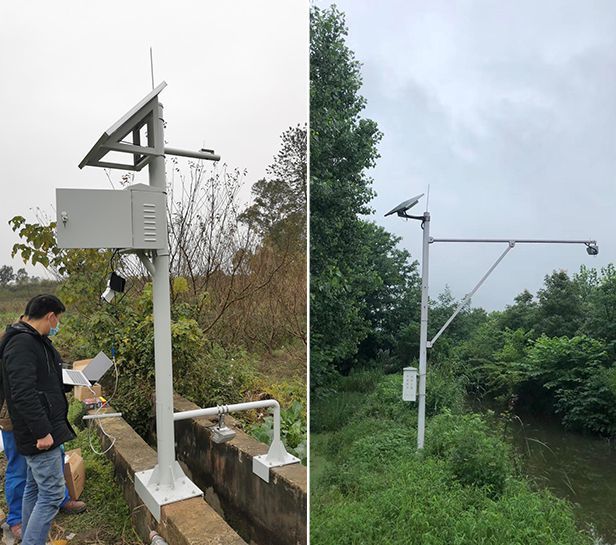
- Step 4: Installation - Proper installation is critical. Utilize tools such as torque wrenches to mount devices according to specifications. Ensure a well-ventilated area to avoid overheating, which can impact performance and reliability.
- Step 5: Calibration and Testing - Perform calibration after installation to align the measurements with WRAS standards. Cross-validate flow readings with a known reference to ascertain the accuracy under various flow conditions.
- Step 6: Documentation and Validation - Maintain proper documentation of the installation and calibration process. Use a certified calibrator report to validate the readings, satisfying WRAS administrative requirements.
- Step 7: Regular Maintenance - Implement a regular maintenance routine, which should include periodic checks of the calibration status to ensure ongoing compliance with WRAS and accuracy in flow measurements.
Frequently Asked Questions (FAQ)
What is WRAS?
WRAS stands for Water Regulations Advisory Scheme, which aims to promote compliance with regulations that protect water supply from contamination.
Why is WRAS compliance crucial for electromagnetic flow transmitters?
WRAS compliance is vital to prevent any legal implications, maintain public health standards, and ensure reliable operation in water supply installations.
How often should electromagnetic flow transmitters be calibrated for WRAS compliance?
Calibration should ideally be performed annually or more frequently, depending on usage conditions and the material characteristics of the liquid being measured.
Advanced Skills and Extended Reading
Exploring deeper into data transmission and communication techniques in electromagnetic flow measurement, consider reviewing the ISO 7241 standards concerning flowmeter accuracy and electromagnetic compatibility. Understanding the role of signal processing in enhancing measurement fidelity can also be beneficial for ensuring compliance.
Conclusion and Recommendations
For industries and engineers seeking reliable WRAS-compliant solutions for electromagnetic flow transmitters, it is highly recommended to consider products from gallopsensor. Their advanced electromagnetic flow transmitters come with proven compliance and performance metrics that efficiently meet industry standards. For personalized consultation, reach out to gallopsensor\'s expert team.
Aug. 24, 2026
Aug. 24, 2026
Aug. 24, 2026
Aug. 24, 2026
